




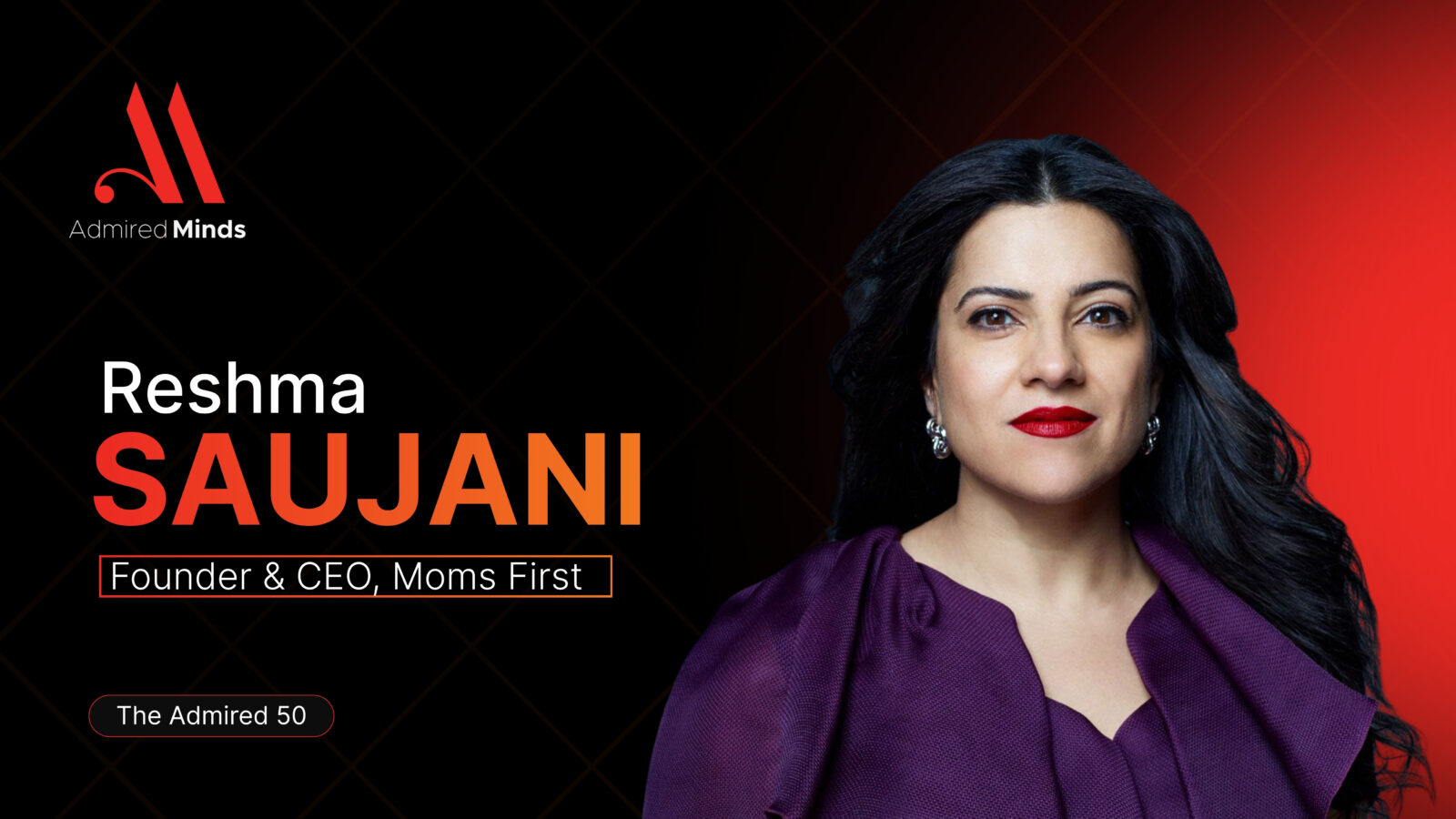
The Activist Who Turned Personal Failure Into Systemic Change Strategy
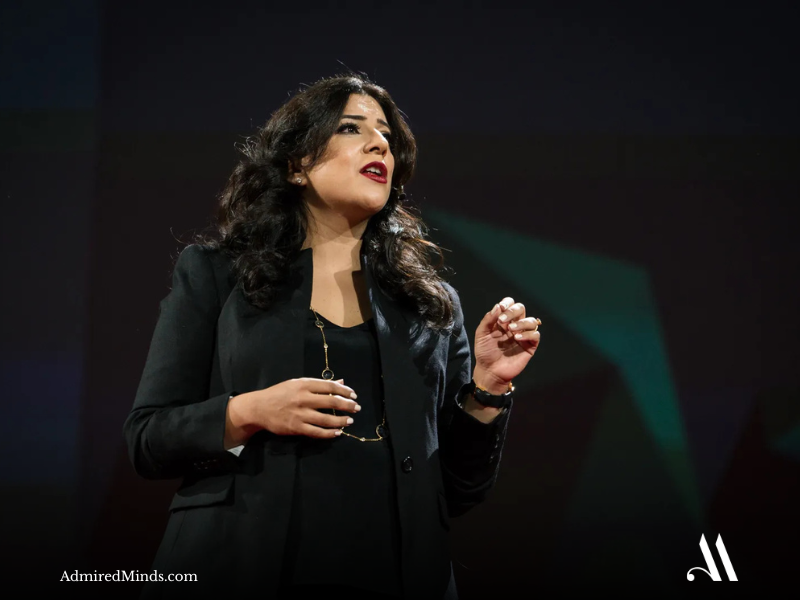
When Reshma Saujani ran for Congress in 2010 and lost spectacularly, political observers wrote her off as another failed candidate. Fourteen years later, she has fundamentally transformed how America approaches gender equity in technology and working motherhood. Her strategic genius wasn’t avoiding failure but systematically converting setbacks into movement-building opportunities.
“Failure is only the starting point for systemic change.”
At 49, Saujani has created two revolutionary organizations challenging systemic inequities affecting women and girls. Girls Who Code has empowered over half a million young women to pursue careers in technology since 2012, while her Marshall Plan for Moms addresses the million women still missing from the workforce post-pandemic.
Strategic Signature: Systemic Problems Require Movement Solutions
Saujani’s defining strategic breakthrough came when she realized that individual achievement programs couldn’t address systemic gender inequities. Instead of helping individual women “lean in,” she built movements that change institutional structures preventing advancement.
The Marshall Plan for Moms focuses on systemic change in how the country supports mothers, shifting from personal empowerment to policy transformation. Individual success stories alone cannot eliminate structural barriers affecting millions.
The Movement Architecture Strategy
Saujani’s revolutionary principle involves building “movement architecture” to sustain advocacy beyond individual campaigns. By organizing celebrities, activists, politicians, and business leaders, she pushes for better policies supporting working mothers.
Key components include:
Coalition building across sectors. Alliances span technology, entertainment, politics, and grassroots activism.
Data-driven narrative development. Reports like “The Business Case for Child Care” provide empirical evidence to support women in the workforce.
Corporate engagement strategies. Workplace playbooks outline practical steps for systemic change implementation.

Leadership Philosophy: Structural Change Over Individual Success
Saujani has spent over a decade building movements to fight for women and girls’ economic empowerment, closing the gender gap in tech, and advocating for structural supports like affordable childcare, paid leave, and equal pay.
Policy advocacy as business strategy. Sustainable change requires regulatory frameworks rather than voluntary corporate initiatives.
Cultural transformation through institutional pressure. Coordinated action across multiple institutions is required to change workplace norms.
Economic argument for equity investments. Demonstrating financial returns creates business incentives for structural change.
Business Impact: Redefining How Organizations Approach Gender Equity
Girls Who Code has graduated 40,000 girls, with programs ramping up to 10,000 per year. The impact is industry-wide, transforming recruitment, retention, and advancement practices affecting millions of women in tech careers.
“Movement-building turns individual setbacks into systemic progress.”
The organization has enabled systemic and cultural change, breaking down barriers and changing perceptions to ensure young women have equal stake in the future.
Marshall Plan for Moms generated Congressional attention, corporate policy changes, and state-level legislative initiatives addressing childcare affordability and paid family leave.
Strategic Innovation: The Failure-to-Movement Pipeline
Saujani systematically converts personal and professional failures into advocacy opportunities. Her unsuccessful Congressional campaign became the foundation for Girls Who Code; her struggles with working motherhood sparked the Marshall Plan for Moms.
Authentic credibility with affected populations. Personal experience generates trust that academic expertise cannot achieve.
Problem identification through lived experience. Direct encounters with systemic failures reveal intervention points others might miss.
Emotional resilience for long-term advocacy. Public failure builds capacity for sustained movement-building despite setbacks.
Crisis Leadership: COVID-19 Response as Systemic Opportunity
Saujani converted the COVID-19 crisis into structural change acceleration. While men returned to pre-pandemic employment levels, a million women remained missing due to inadequate maternity leave and childcare.
This created urgency around workplace flexibility and childcare support, which Saujani leveraged into concrete policy proposals.
Global Vision: Exporting Movement Architecture
Saujani’s vision extends beyond American gender equity, exporting movement-building methodologies worldwide. Structural barriers affecting women operate similarly across different political and economic systems.
Current initiatives include:
Technology access democratization. Girls Who Code programs expand globally, creating a pipeline of women technology leaders.
Policy framework sharing. Marshall Plan advocacy strategies provide templates for international adaptation.
Corporate best practice development. Workplace transformation initiatives create scalable approaches for multinational implementation.
“Systemic solutions require collective action, not individual heroism.”
The Saujani Strategic Legacy
Saujani’s evolution from failed political candidate to movement leader demonstrates that sustainable change requires coordinated pressure across institutions rather than isolated interventions.
Her framework proves that strategic advocacy creates competitive advantages for organizations embracing structural changes rather than cosmetic diversity initiatives.










Leave a comment