




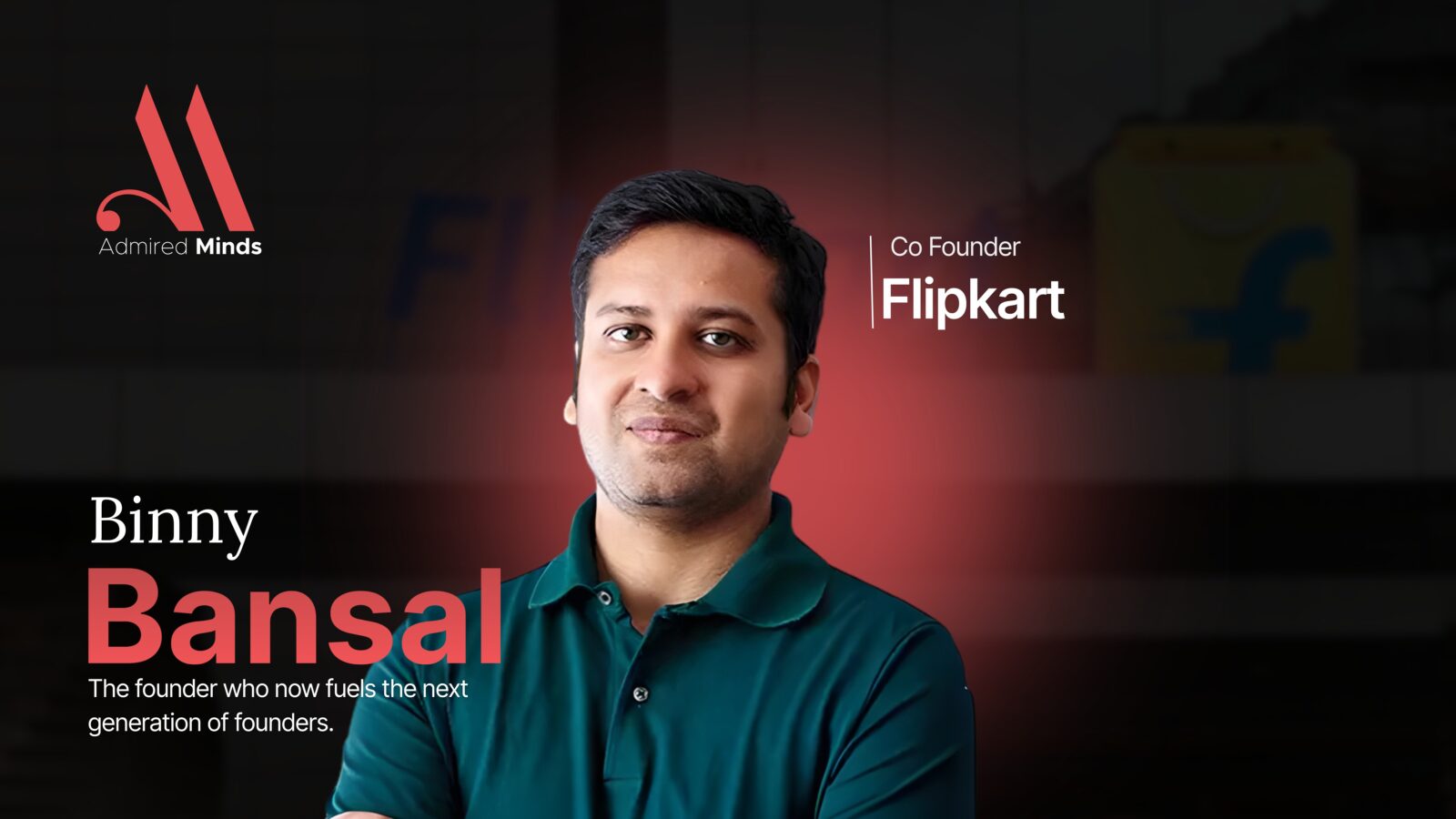
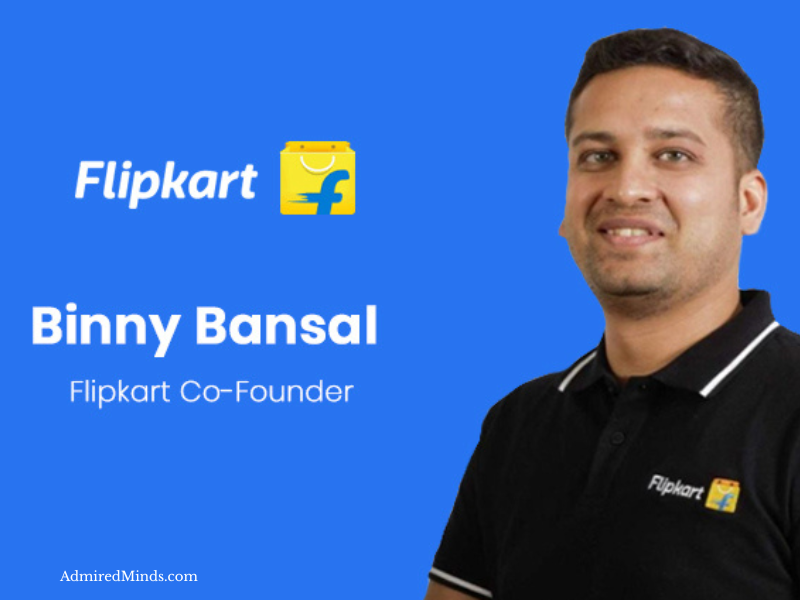
Binny Bansal: The Post-Exit Founder Who Built an Entire Startup Ecosystem
When Binny Bansal walked away from Flipkart just months after Walmart’s historic $16 billion acquisition in 2018, most investors assumed he would follow the standard post-exit path‚Äîangel investing, advisory roles, maybe a business school fellowship. For decades, successful founders treated unicorn exits as career culminations, not launchpads. Yet within just 18 months, Bansal had begun quietly building a multi-sector empire across fintech, agritech, and startup acceleration, redefining what post-acquisition entrepreneurship could look like.
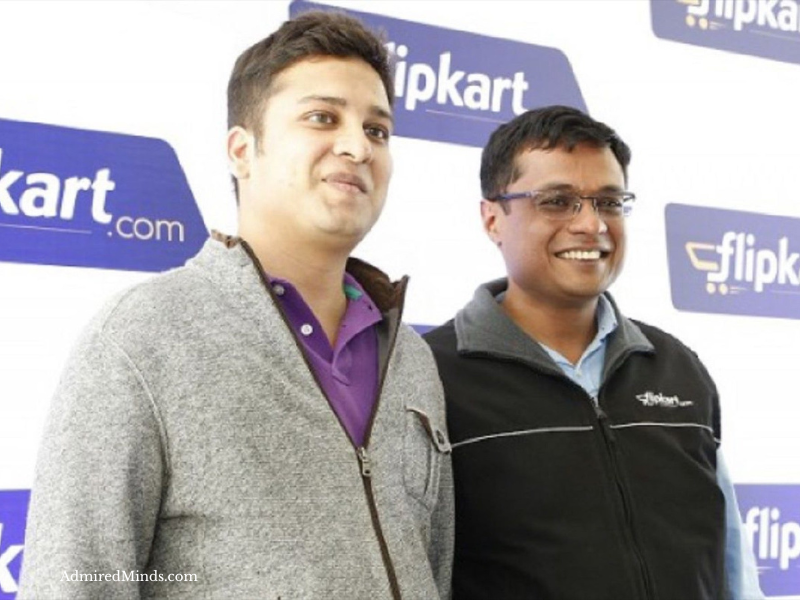
“The Flipkart exit wasn‚Äôt the end of the story‚Äîit was validation that we understood how to build technology platforms for emerging markets,” Bansal explained in his first public appearance after leaving the company. His approach to post-exit entrepreneurship demonstrates the mindset required to build sustainable, multi-venture careers that extend far beyond one success.
At 42, Bansal now serves as the strategic architect behind multiple ventures‚Äîfintech platforms, B2B software ecosystems, and India’s most structured startup accelerator. His journey from IIT Delhi to serial entrepreneur offers vital lessons for founders transitioning from individual company wins to ecosystem-level impact.
From Bangalore Apartment to Billion-Dollar Validation
Bansal recognized early that India’s e-commerce potential required radically different strategies than Western models. After IIT Delhi and a brief stint at Amazon, he and co-founder Sachin Bansal understood that Indian consumers needed:
- Localized payment solutions
- Last-mile logistics tailored to Indian cities
- Trust-building systems for first-time online shoppers
Flipkart’s early decisions focused not on rapid global expansion but on building indigenous infrastructure: cash-on-delivery, hyperlocal delivery networks, and customer service optimized for digitally inexperienced consumers.
Their strategy solved barriers global players failed to understand. While international e-commerce giants assumed reliable payments and digital familiarity, Flipkart innovated around India’s systemic gaps—creating competitive advantages that later shaped the entire industry.
Instead of chasing vanity metrics, they focused on unit economics and long-term customer value, enabling the company to endure multiple market cycles.
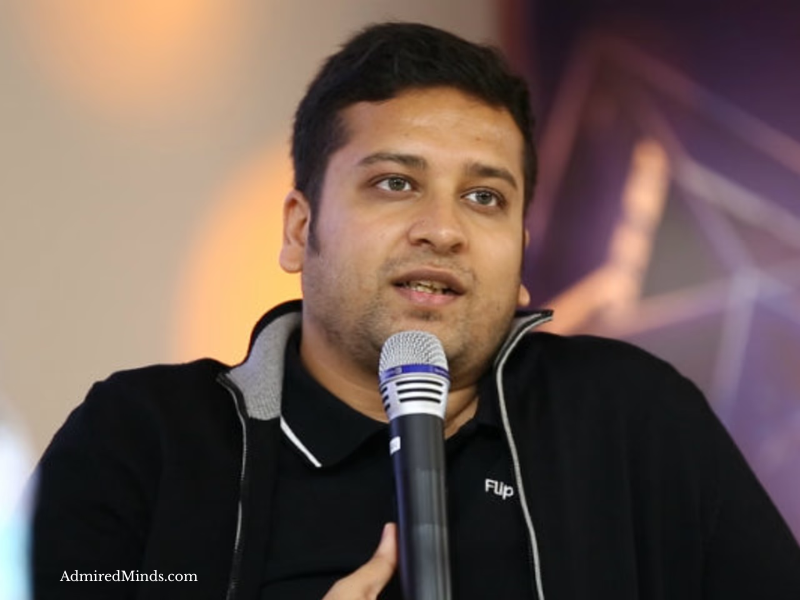
The operational scale Flipkart achieved—logistics, service, infrastructure—later became the foundation for Bansal’s multi-sector entrepreneurial vision.
Mastering Post-Exit Venture Selection: The xto10x Strategy Blueprint
Bansal’s post-Flipkart strategy centers on identifying opportunities where his operational experience creates unique competitive advantages. His framework prioritizes:
- Identifying sectors facing operational problems similar to Flipkart’s early challenges
- Developing systematic solutions applicable across companies—not individual consultancies
- Creating technology platforms that scale efficiently
- Establishing partnerships that accelerate adoption and discourage replication
“The problems we solved at Flipkart weren‚Äôt e-commerce problems‚Äîthey were Indian scale-up problems,” he noted at the xto10x launch. This thinking shaped accelerators and software platforms that helped dozens of startups achieve operational excellence.
His methodology—turning operating experience into repeatable frameworks—became the foundation of his serial entrepreneurship.
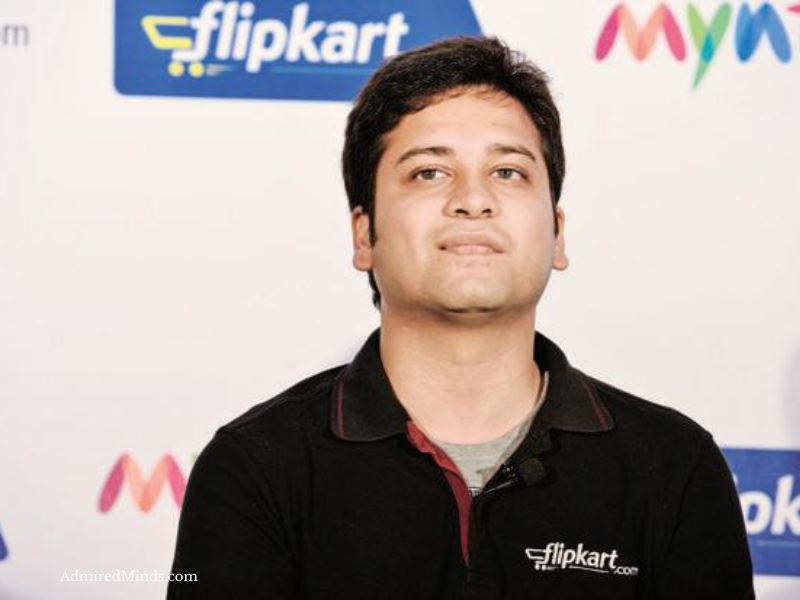
When Every Startup Wanted His Time: Building Scalable Impact Systems
By 2019, hundreds of founders wanted his mentorship. Traditional advisory roles would have limited his reach, so he designed scalable systems instead.
“Individual mentorship doesn‚Äôt scale, but systematic solutions can help thousands of entrepreneurs at once.”
This belief shaped xto10x’s approach: software, frameworks, and training programs that startups can adopt independently while still accessing expert guidance.
This shift marked his evolution from founder to ecosystem architect, building platforms that strengthen entire entrepreneurial communities rather than single companies.
Beyond Individual Success: Building India’s Entrepreneurial Operating System
Bansal predicts India’s next major leap will come from:
- B2B platforms
- Infrastructure-focused companies
- Solutions targeting foundational operational challenges
His investments reflect this belief: agritech platforms upgrading supply chains, fintech solutions serving underbanked users, and B2B software enabling traditional businesses to digitize at scale.
He expects new unicorns to emerge from deep infrastructure sectors—not just consumer-facing apps.
“The next decade will determine whether founders create lasting institutional value or just accumulate individual financial success.”
His advice to post-acquisition founders:
“Use your exit experience to identify patterns that help multiple companies—not just your next venture. Build infrastructure others can build on. And remember: sustained entrepreneurship requires continuous learning.”
Strategic Takeaways
Post-Acquisition Venture Strategy
- Identify which operational lessons apply broadly across companies
- Prioritize systematic solutions, not one-off advisory roles
- Build technology platforms that scale and generate recurring value
- Focus on sectors where experience provides unique insights
Serial Entrepreneurship Framework
- Spot infrastructure gaps where repeatable business models can thrive
- Develop operational capabilities transferable across ventures
- Build institutional partnerships that accelerate adoption
- Balance risk-taking with disciplined, long-term venture building
Ecosystem Development Strategy
- Create platforms supporting thousands of entrepreneurs
- Develop technology delivering recurring, scalable value
- Use standardized methodologies adaptable to company needs
- Measure success through ecosystem-wide outcomes
Sustainable Impact Methodology
- Build infrastructure other entrepreneurs can leverage
- Align venture success with broader economic development
- Create replicable entrepreneurial systems across sectors
- Prioritize long-term value creation over short-term gains










Leave a comment