



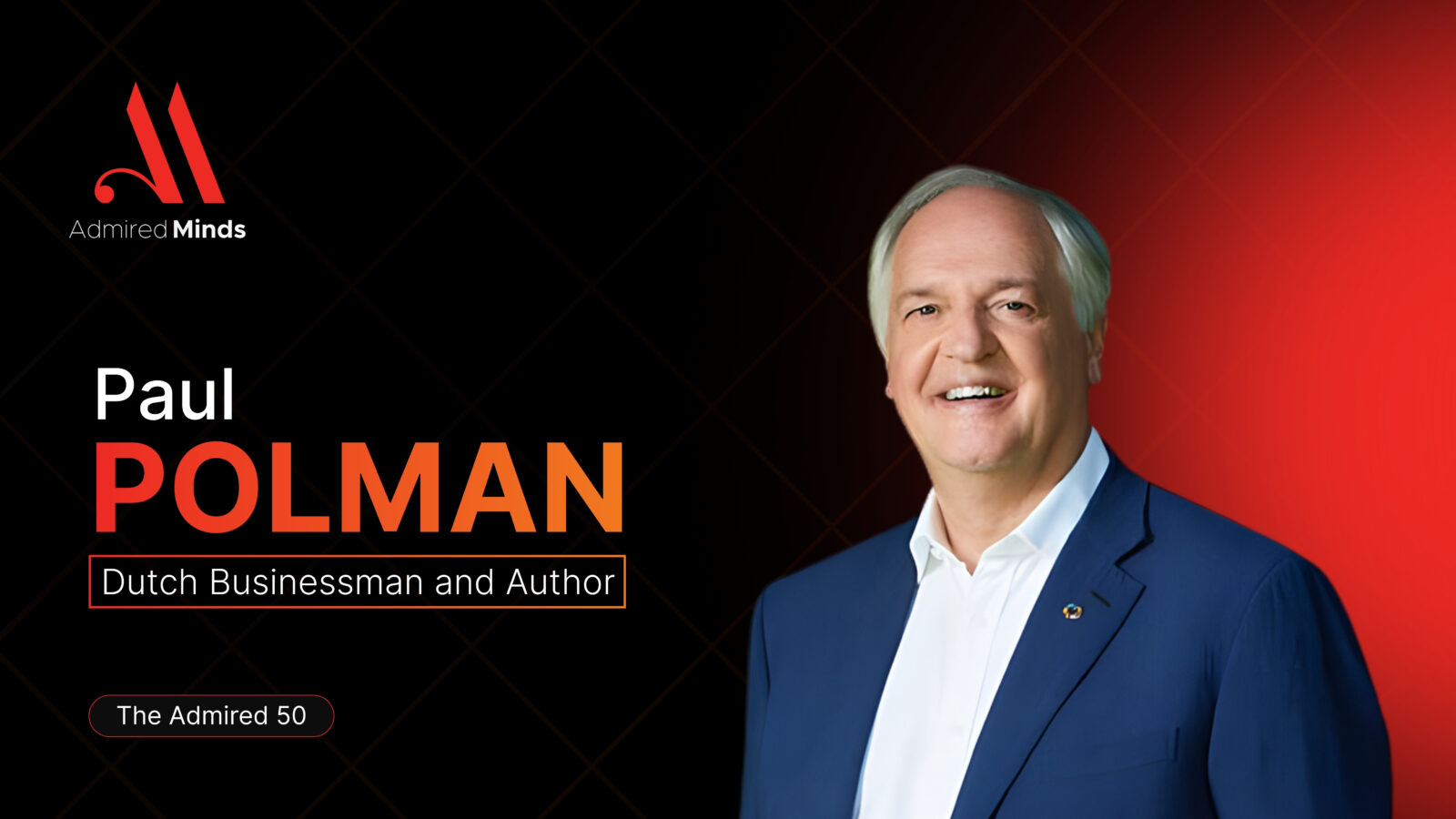
The CEO Who Proved Sustainability is the Ultimate Growth Strategy
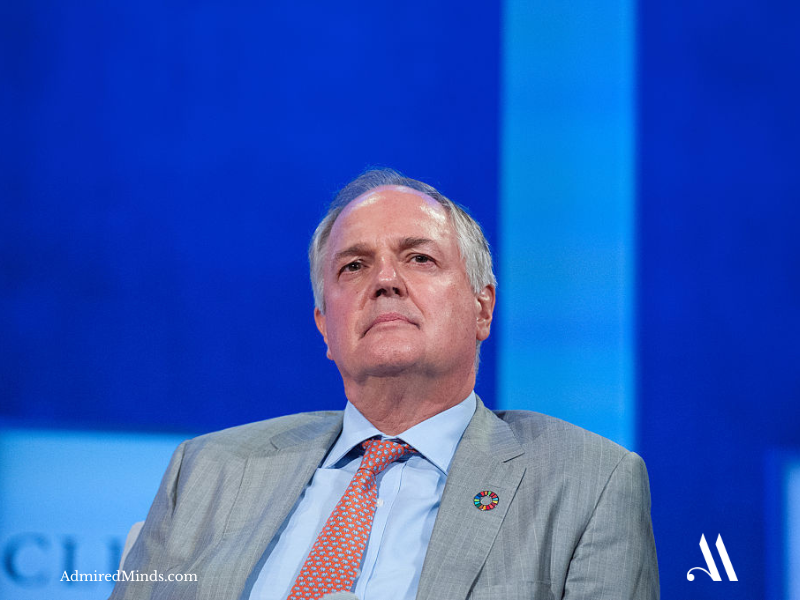
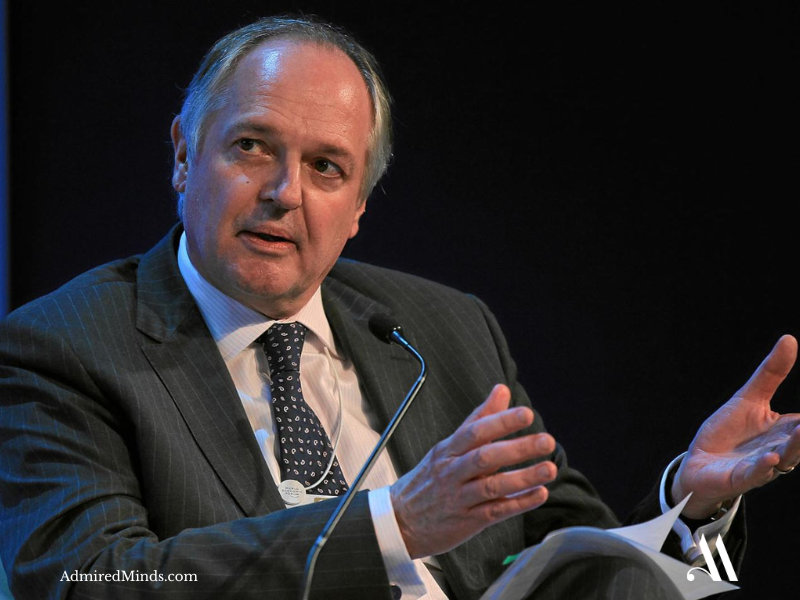
When Paul Polman eliminated quarterly earnings guidance at Unilever in 2009, Wall Street analysts called it corporate suicide. A decade later, he delivered 290% shareholder returns while transforming how multinational corporations approach environmental responsibility. Business schools now study Polman’s methodology as definitive proof that sustainable practices create competitive advantages rather than cost burdens.
Profit and purpose are not mutually exclusive—they are mutually reinforcing.
At 68, Polman has emerged as capitalism’s foremost sustainability evangelist. His post-Unilever mission through IMAGINE continues revolutionizing how global corporations integrate environmental responsibility into core business strategy, proving that companies can profit by solving the world’s problems rather than creating them.
Strategic Signature: The Sustainable Living Plan That Changed Corporate DNA
Polman’s defining breakthrough came with Unilever’s Sustainable Living Plan (USLP), launched in 2010. His audacious goal: double revenues from $40 billion to $80 billion while halving Unilever’s environmental footprint.
The plan challenged traditional growth assumptions. While competitors treated sustainability as an afterthought, Polman embedded environmental and social metrics into every strategic decision across Unilever’s global operations.
Sustainability is not a cost; it is the path to long-term growth.
USLP targeted 5.5 million people, improved health and well-being for over 1 billion, and enhanced livelihoods in smallholder farming communities. This was not philanthropy disguised as strategy‚Äîit was a systematic repositioning of Unilever’s value chain around sustainability principles.
The Net Positive Philosophy
Polman’s revolutionary “Net Positive” principle goes beyond sustainability. Companies must be restorative, reparative, and regenerative, shifting from minimizing harm to maximizing positive impact.
This philosophy drives strategy through three frameworks:
Environmental regeneration over impact reduction. Actively restore ecosystems and reverse damage through business operations.
Social value creation through commercial activity. Generate positive social outcomes through core revenue streams, not charity.
Long-term stakeholder value over quarterly performance. Prioritize multi-decade value creation for all stakeholders over short-term returns.
Leadership Philosophy: Purpose as Competitive Strategy
Polman recognizes, “you cannot run a Net Positive company if people themselves are not sustainable”, highlighting that individual leadership development must accompany systemic business model change.
Key principles challenging conventional governance include:
Stakeholder capitalism as fiduciary responsibility. Create value for customers, employees, communities, and environment alongside shareholders.
Transparent accountability drives innovation. Public commitments build credibility and operational excellence.
Collaborative competition accelerates progress. Industry challenges require coordination among competitors, suppliers, and regulators.
Business Impact: Transforming Consumer Goods Industry Standards
Polman achieved 290% shareholder returns and expanded Unilever’s global market share while making sustainability a competitive advantage rather than a cost center.
He estimates that each $1 invested in sustainable food production returned $15–18, proving environmental investments can outperform traditional strategies when integrated into business models.
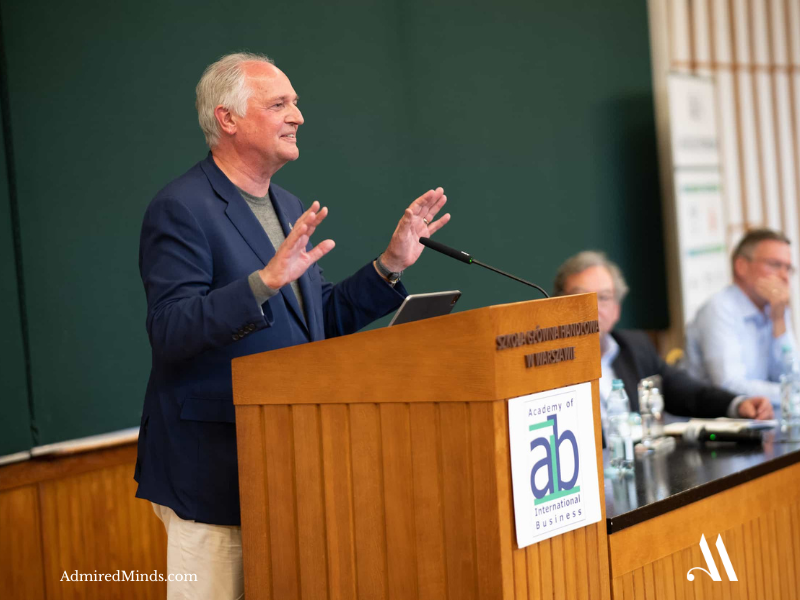
Investing in sustainability is not charity; it is strategy with measurable returns.
Strategic Innovation: The IMAGINE CEO Coalition
Post-Unilever, Polman founded IMAGINE—a global CEO coalition accelerating Sustainable Development Goals implementation, particularly for climate and inequality.
IMAGINE enables companies to collaborate on systemic challenges while maintaining competitiveness, focusing on:
CEO education and commitment. Peer learning and best practice sharing to embed sustainability as growth opportunity.
Industry transformation frameworks. Scalable methodologies adaptable across sectors, geographies, and organizational structures.
Policy influence and regulatory shaping. Coordinated corporate input in climate and sustainability regulations.
Crisis Leadership: COVID-19 Response as Stakeholder Capitalism
During the pandemic, Unilever contributed €100 million in essential supplies and €500 million cash flow relief across its value chain, demonstrating how stakeholder-oriented crisis response creates long-term competitive advantages.
The discipline shown reinforces that Polman’s commitments are embedded in business philosophy, not marketing messages.
Global Vision: Accelerating Business Transformation
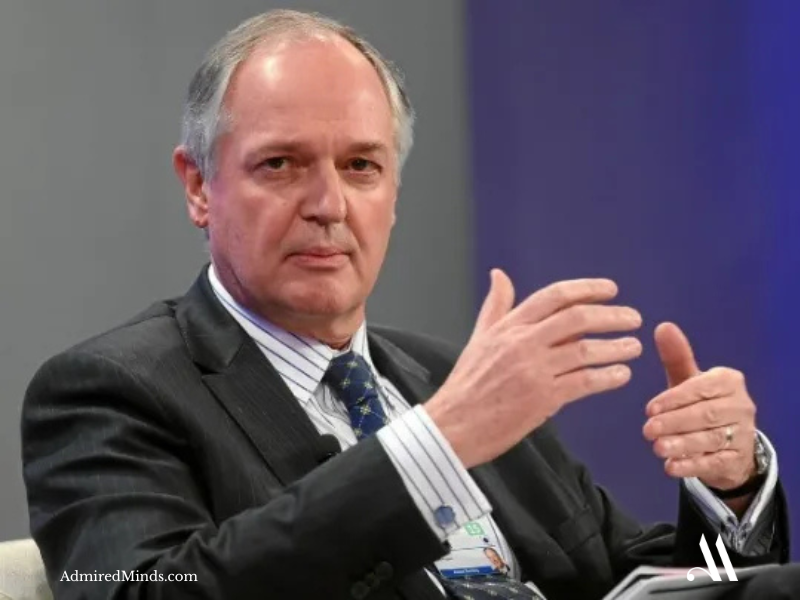
Polman asserts, “Only industry can bring the capital, ingenuity, and muscle needed to drive change.” His approach focuses on systemic business model transformation over geographic expansion:
Circular economy implementation. Redesign operations for resource efficiency and waste elimination.
Supply chain sustainability integration. Embed environmental and social standards into procurement and vendor relationships.
Consumer behavior influence. Shape sustainable consumption through marketing and product development.
Why Polman Redefined Strategic Leadership
Polman proved that sustainability generates superior long-term returns while delivering positive social and environmental impact. His decade at Unilever demonstrates that responsibility and profitability are complementary strategies.
True leadership transforms market expectations rather than merely adapting to them.
The Polman Strategic Legacy
Polman’s transformation of Unilever into a sustainability leader provides lessons for executives facing environmental pressures and stakeholder accountability demands. His approach shows that embedding purpose into profit-generation is essential for modern strategic leadership.








Leave a comment