





Executive Summary
On October 29, 2013, Dell founder and CEO Michael Dell completed a $24.9 billion leveraged buyout to take Dell Inc. private, removing public market constraints to execute a comprehensive business model transformation from PC manufacturing to enterprise infrastructure and cloud services. This case study examines how founder-led privatizations can create strategic flexibility for radical business pivots when public market expectations conflict with necessary long-term transformation investments.
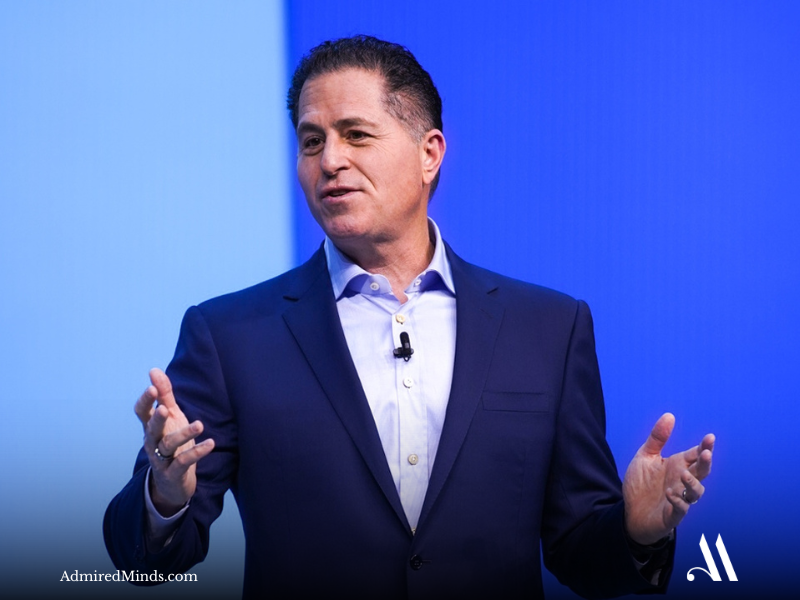
“Success is about making bold bets and being willing to step away from conventional paths.” – Michael Dell
Market Context and Financial Impact Assessment
Pre-Privatization Market Position
- Dell controlling 12-15% global PC market share with declining margins and growth
- Stock price trading at $10-12 per share, down from $40+ peak in 2005
- Public market pressure for quarterly earnings and dividend payments limiting transformation investment
- Enterprise services division generating 30% revenue but requiring massive infrastructure investment
Privatization Metrics and Strategic Investment Scope
- Buyout Price: $13.75 per share representing $24.9 billion total transaction value
- Financing Structure: $1 billion Michael Dell investment, $2 billion Silver Lake Partners, $15+ billion debt financing
- Strategic Freedom: Elimination of quarterly earnings pressure and public investor scrutiny
- Transformation Investment: $10+ billion planned enterprise infrastructure and services development
- Market Repositioning: PC manufacturer to enterprise solutions and cloud infrastructure provider
Strategic Decision Framework Analysis
Critical Assessment Parameters
Dell’s privatization strategy team identified three fundamental transformation requirements:
- Business Model Evolution: Transition from hardware manufacturing to services and software solutions
- Investment Timeline: Multi-year transformation requiring sustained capital deployment without immediate returns
- Competitive Positioning: Enterprise market leadership requiring acquisitions and R&D investment exceeding public market tolerance
“Private ownership enables long-term focus beyond quarterly pressures, unlocking true strategic transformation.”
Strategic Options Evaluation Matrix
| Option | Approach | Transformation Capability | Financial Flexibility |
| Public Market Continuation | Incremental changes within earnings expectations | Limited transformation scope | Quarterly pressure constraints |
| Spin-off Strategy | Separate PC and enterprise divisions | Moderate transformation potential | Diluted resources and focus |
| Private Equity Partnership | Minority investment while maintaining public listing | Enhanced capital but continued oversight | Partial strategic flexibility |
| Complete Privatization | Full buyout enabling radical transformation | Maximum strategic freedom | Complete operational control |
Implementation Strategy and Resource Allocation
Six-Pillar Transformation Framework
1. Enterprise Services Portfolio Development and Market Expansion
- Infrastructure Solutions: Data center hardware, servers, and storage systems
- Cloud Services: Hybrid cloud platforms and managed services offerings
- Consulting Services: IT transformation and digital modernization professional services
“Transformation is less about what you make today and more about the competitive position you build for tomorrow.”
2. Strategic Acquisition Program and Technology Integration
- EMC Corporation: $67 billion acquisition creating Dell Technologies enterprise portfolio
- VMware Integration: Virtualization and cloud computing platform leadership
- Technology Assets: 40+ strategic acquisitions building comprehensive enterprise solutions

3. Research and Development Investment and Innovation Leadership
- R&D Spending: $4+ billion annual investment in enterprise technology development
- Innovation Labs: Advanced technology research in AI, edge computing, and cybersecurity
- Patent Portfolio: Intellectual property development protecting competitive advantages
4. Global Infrastructure and Manufacturing Optimization
- Supply Chain: Streamlined manufacturing and distribution for enterprise customers
- Service Network: Global technical support and professional services organization
- Manufacturing Efficiency: Automated production and quality control systems
5. Workforce Transformation and Organizational Culture Evolution
- Talent Acquisition: Enterprise software and services expertise recruitment
- Training Programs: Employee development for services and solution selling
- Culture Change: Hardware manufacturing to solution consulting organizational evolution
6. Customer Relationship Strategy and Enterprise Market Penetration
- Fortune 500 Focus: Large enterprise customer relationship development and retention
- Partner Ecosystem: System integrator and consulting firm partnership network
- Customer Success: Dedicated account management and technical support teams

“Private ownership allows founder-CEOs to execute comprehensive strategic pivots based on industry knowledge rather than market sentiment.”












Leave a comment