





Executive Summary
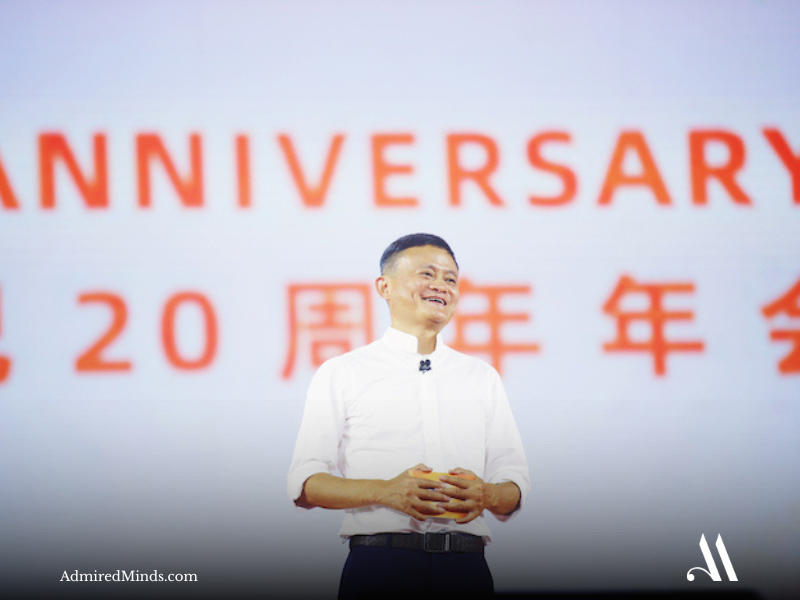
On September 10, 2019, Alibaba founder Jack Ma stepped down as Executive Chairman, executing a planned leadership transition that later proved strategically prescient as Chinese regulatory pressure on technology platforms intensified dramatically. This case study examines how founder exit timing during shifting regulatory environments can preserve both personal legacy and enterprise value while enabling organizational adaptation to evolving government oversight requirements.
“A leader’s greatest power often comes from knowing when to step back so the institution can move forward.”
Market Context and Financial Impact Assessment
Pre-Retirement Market Position
- Alibaba controlling 60%+ of Chinese e-commerce market with $56 billion annual revenue
- Ant Financial valued at $150+ billion as world’s largest fintech company
- Jack Ma positioned as China’s most internationally recognized technology entrepreneur
- Growing Chinese government scrutiny of platform monopolies and financial services regulation
Regulatory Environment and Strategic Challenges
- Government Relations: Increasing CCP oversight of technology platforms
- Antitrust Pressure: Market regulation bodies investigating platform dominance
- Financial Regulation: PBOC scrutinizing Ant Financial’s lending models
- International Tensions: U.S.–China trade war elevating risk exposure
- Political Visibility: Ma’s global influence creating regulatory vulnerability
Strategic Decision Framework Analysis
Critical Assessment Parameters
Ma’s strategy team identified three foundational realities:
- Political Climate Shift: Government tightening control over platforms
- Founder Visibility Risk: High-profile global presence increasing exposure
- Institutional Transition Need: Alibaba requiring professionalized leadership
Strategic Options Evaluation Matrix
| Option | Approach | Personal Risk | Enterprise Impact |
| Continued Leadership | Maintain chairman role | Maximum exposure | Risk of government confrontation |
| Gradual Transition | Phased power reduction | Moderate | Extended uncertainty |
| Immediate Retirement | Full operational withdrawal | Low personal risk | Possible leadership stability concerns |
| Advisory Role | Quiet strategic guidance | Balanced | Knowledge retention |
“Timing is the invisible force that distinguishes a successful exit from a forced escape.”
Implementation Strategy and Resource Allocation
The Four-Pillar Withdrawal Framework
1. Succession and Leadership Development
- CEO Transition: Daniel Zhang appointed
- Operational Continuity: 18-person partnership model
- Strategic Knowledge Transfer: Structured handover
2. Regulatory Relationship Management
- Profile Reduction: Fewer global appearances
- Government Cooperation: Strengthened compliance
- Political Neutrality: Avoiding controversial commentary
3. Personal Brand Evolution
- Jack Ma Foundation: Philanthropy focus
- Academic Roles: Research and teaching
- Social Impact Work: Rural education programs
4. Enterprise Value Preservation
- Professional Management
- Market Communication: Clear transition messaging
- Long-Term Vision Execution
Enhanced Regulatory Adaptation Infrastructure
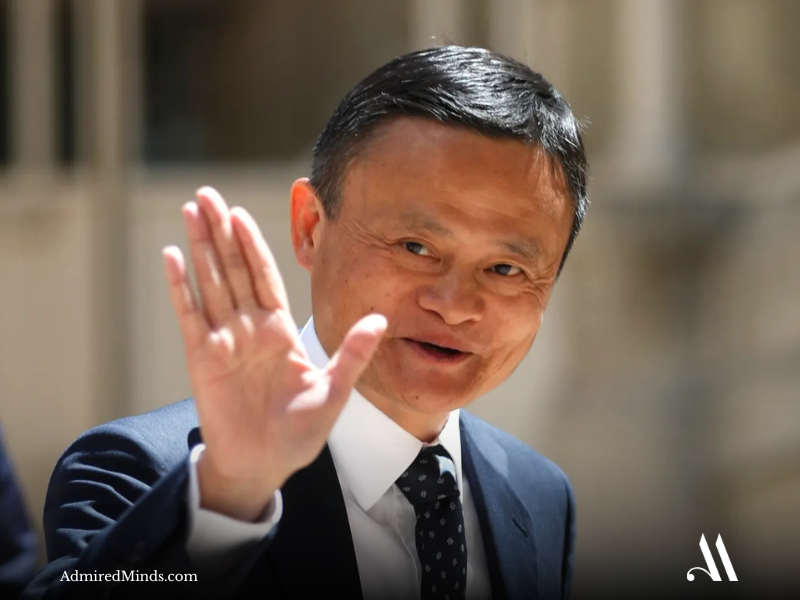
Government Relations Strategy
- Regulatory Compliance: Strengthened legal teams
- Policy Engagement: Participation in rulemaking
- Social Responsibility: Initiatives aligned with state priorities
- Data Governance: Compliance with cybersecurity laws
Performance Metrics and Outcomes
Short-Term Impact (2019-2021)
- Stable stock performance
- Operational continuity
- Improved regulatory relations
- Reduced founder visibility
Long-Term Validation (2021-2024)
- Alibaba avoided severe penalties imposed on peers
- Successful navigation of antitrust investigations
- Management demonstrated capability
- Founder reputation preserved
“Sometimes stepping away is the only way to protect what you built.”
Return on Investment Analysis
- Personal Risk Reduction
- Enterprise Value Preservation ($400B+)
- Management Strengthening
- Strategic ROI: Survival during regulatory crackdown
Strategic Leadership Principles
Core Exit Frameworks
1. Anticipate Regulatory Shifts: Transition early, not late.
2. Build Institutional Leadership: Reduce dependency on founders.
3. Manage Personal Visibility: Lower political exposure.
4. Choose the Right Timing: Transition during stability.
5. Preserve Legacy Through Withdrawal: Step aside before forced pressure.
“Legacy is not what you achieve‚ it is what survives without you.”
Conclusion
Jack Ma’s strategic retirement from Alibaba demonstrates that stepping down during early regulatory pressure can protect both the founder and the enterprise. Alibaba’s survival and stability during China’s technology crackdown highlight the power of proactive transitions, institutional leadership development, and political visibility management. The Alibaba model shows that founders with high political visibility can preserve enterprise value, protect themselves, and ensure organizational continuity through well-timed withdrawal and strong succession planning.









Leave a comment