




Executive Summary
On January 7, 2008, Starbucks founder Howard Schultz returned as CEO from retirement, replacing Jim Donald to execute a comprehensive cultural and operational transformation that reversed declining customer loyalty and financial performance. This case study examines how founder interventions during corporate culture erosion can restore brand authenticity and competitive positioning through values-driven leadership and systematic customer experience rehabilitation.
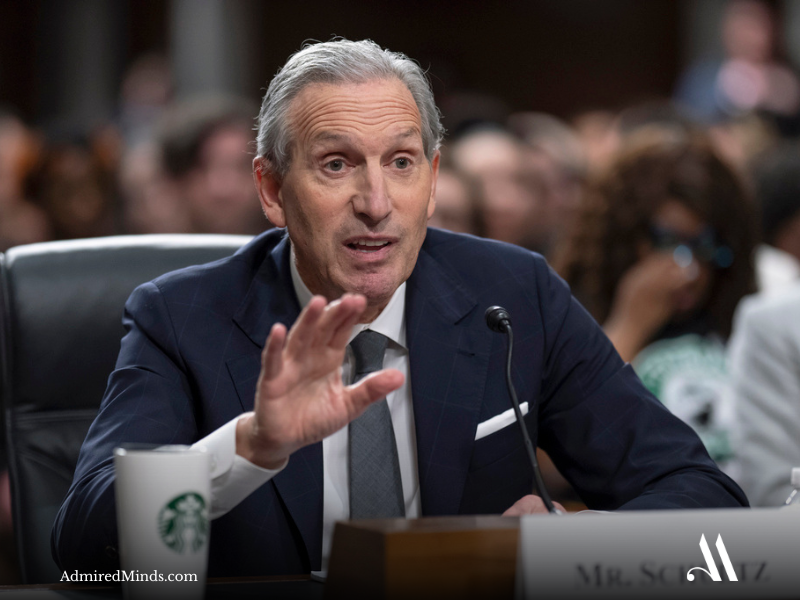
“Success in leadership is measured by the ability to restore authenticity and trust when they are most at risk.” – Howard Schultz
Market Context and Financial Impact Assessment
Pre-Return Corporate Deterioration
- Starbucks stock declining from $40 peak to $18 with 50%+ market value destruction
- Same-store sales growth turning negative for the first time in company history
- Customer satisfaction scores declining due to rapid expansion and automation focus
- Company culture shifting from coffee craftsmanship to operational efficiency metrics
Crisis Metrics and Strategic Challenges
- Financial Performance: $6.4 billion revenue but declining profitability and margins
- Store Portfolio: 16,000+ locations globally with many underperforming units
- Competitive Pressure: McDonald’s McCafe and Dunkin’ Donuts gaining market share
- Employee Engagement: Barista turnover increasing and brand passion declining
- Customer Experience: Speed-focused operations compromising coffee quality and service
Strategic Decision Framework Analysis
Critical Assessment Parameters
Schultz’s return strategy team identified three fundamental organizational crises:
- Cultural Identity Loss: Rapid expansion diluting core coffee culture and customer connection
- Operational Efficiency Over Experience: Automation and speed metrics compromising quality and service
- Leadership Disconnect: Management team lacking founder vision and brand authenticity commitment
“Restoring culture is not about reversing time; it’s about realigning values with every customer and employee interaction.”
Strategic Options Evaluation Matrix
| Option | Approach | Cultural Impact | Financial Risk |
| Gradual Management Changes | Incremental leadership adjustments | Slow cultural recovery | Continued competitive losses |
| External CEO Recruitment | Professional management from outside | Unknown cultural alignment | High transformation uncertainty |
| Founder Leadership Return | Schultz direct involvement and vision restoration | Maximum cultural authenticity | Personal reputation risk |
| Operational Focus Only | Efficiency improvements without culture emphasis | Limited brand differentiation | Missed customer loyalty opportunity |
Implementation Strategy and Resource Allocation
Six-Pillar Cultural Restoration Framework
1. Coffee Quality and Craftsmanship Excellence Revival
- Espresso Machine Replacement: $500+ million investment in traditional espresso machines over automatic systems
- Barista Training: Comprehensive coffee education and customer service skill development
- Quality Standards: Renewed focus on coffee sourcing, roasting, and brewing excellence
“Coffee excellence is the foundation of our culture; without it, nothing else matters.” – Howard Schultz
2. Store Experience and Customer Connection Restoration
- Store Closure: 7,100 U.S. stores closed simultaneously for barista retraining on coffee quality
- Store Design: Return to community gathering place concept with comfortable seating and atmosphere
- Music and Ambiance: Curated playlist and store environment supporting customer experience
3. Employee Engagement and Cultural Values Reinforcement
- Partner Benefits: Enhanced healthcare and stock option programs for employee retention
- Training Investment: $250+ million barista education focusing on coffee passion and customer service
- Leadership Development: Management training emphasizing Starbucks values and culture
4. Innovation and Menu Development Strategy
- Product Innovation: Via instant coffee and new beverage categories expansion
- Food Program: Enhanced food offerings and breakfast menu development
- Seasonal Programs: Limited-time beverages and promotional campaigns driving traffic
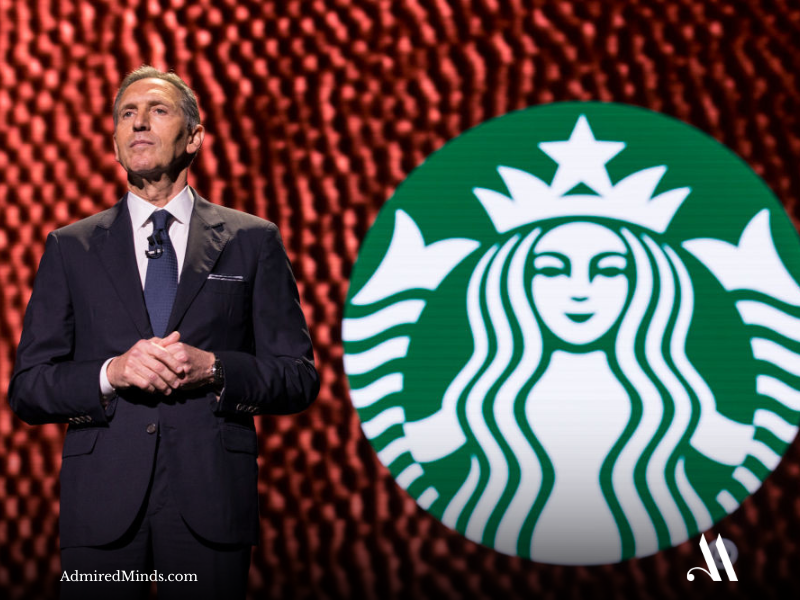
“Employee engagement is the multiplier that turns cultural values into customer loyalty.”





Leave a comment