




I‚Äôm going to tell you about the guy who revolutionized virtual reality got kicked out of Facebook for his political views? And that before building one of America’s most feared defense companies, he was just a homeschooled kid in his garage obsessing over 90s VR headsets?
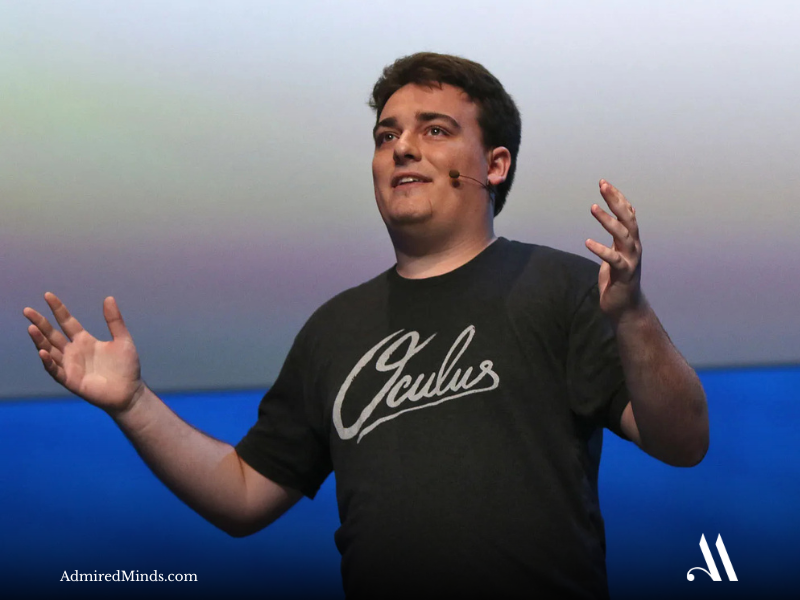
This is the real Palmer Luckey story ‚Äì the messy, politically explosive, unapologetically capitalist version they definitely don’t teach at Stanford.
The Facebook Scandal That Changed Everything
It’s October 2016. Palmer Luckey, the 24-year-old wunderkind who sold Oculus to Facebook for $2 billion, is about to have his world implode. The Daily Beast drops a bombshell: Luckey secretly funded “Nimble America,” a pro-Trump meme operation.
Silicon Valley went absolutely nuclear.
While his tech bros were all supporting Hillary Clinton, Palmer was quietly bankrolling anti-Clinton billboards and shitposting campaigns. The same guy who made Mark Zuckerberg billions was funding political memes that made Facebook’s leadership want to crawl under a rock.
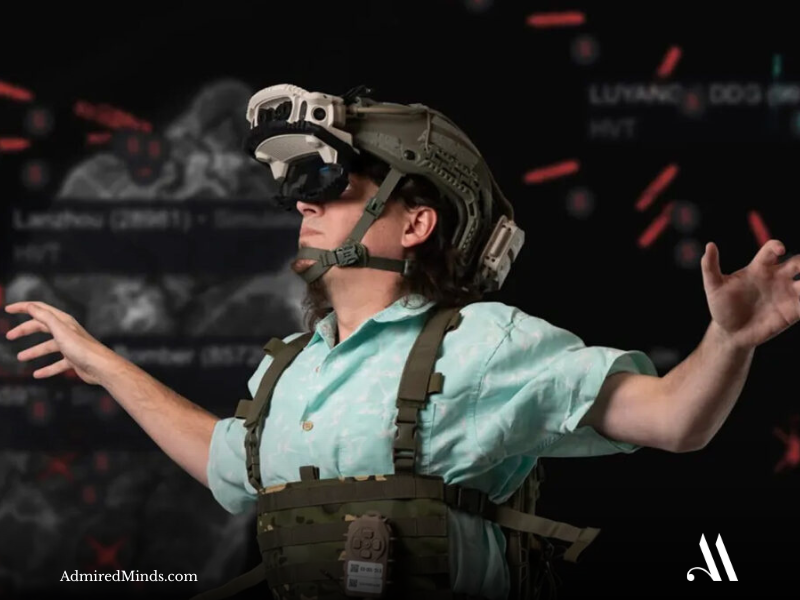
The aftermath? Luckey got the corporate death penalty. Facebook “mutually agreed” he should leave in 2017.
He got canceled before canceling was even a thing.
But here’s where it gets interesting. Everyone thought his career was over. The golden boy of VR, politically toxic, unemployable in Silicon Valley.
Plot twist: Getting kicked out of Facebook was the best thing that ever happened to him. And to American national security.
The Garage Genius Origin Story Everyone Misses
Everyone knows Palmer built the first Oculus in his parents’ garage. What they don’t know is how absolutely obsessed this kid was. We’re talking sleeping-next-to-VR-headsets, spending-his-entire-life-savings-on-vintage-equipment level obsessed.
At 16, he had the largest private collection of VR headsets in the world. Not because he was rich his family wasn’t wealthy. Because he was completely, utterly addicted to a technology everyone else had given up on.
The kid was buying broken headsets on eBay, teaching himself electrical engineering from YouTube videos, and modifying hardware that cost more than his family’s car. His bedroom looked like a VR museum crossed with a mad scientist’s lab.
The kicker? He wasn’t even trying to start a company. He just wanted better VR for himself. The teenage obsession that his friends thought was weird became the foundation for a $2 billion acquisition.
Building Anduril: The Ultimate Power Up to Silicon Valley
After Facebook, Palmer could have retreated. Maybe started another gaming company. Kept his head down. Instead, he did something that made his former colleagues’ heads explode: He went full defense contractor.
In 2017, while his old Silicon Valley buddies were building meditation apps and social platforms, Palmer founded Anduril Industries. Named after a sword from Lord of the Rings that gets reforged stronger after being broken.
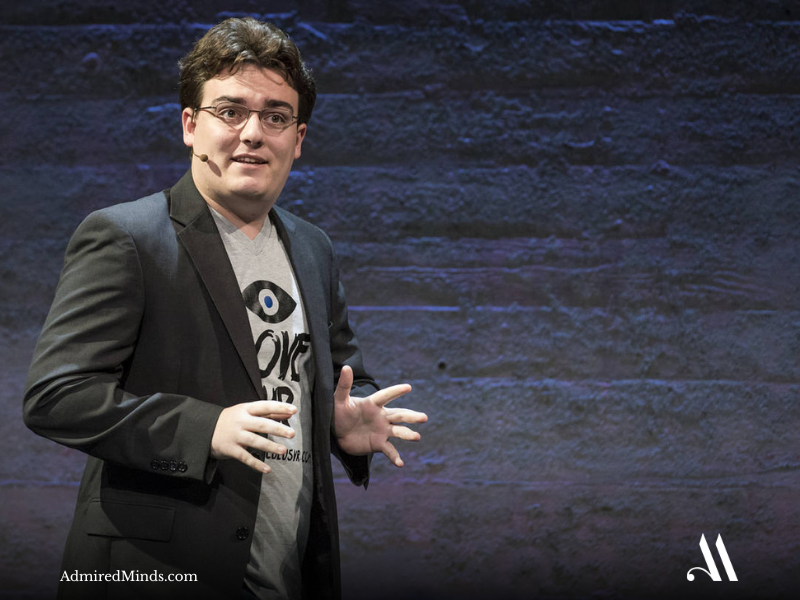
Subtle much?
The company’s mission statement might as well have been: “Everything you think you know about defense technology is wrong, and we’re going to prove it.”
The controversial part: While tech giants like Google were canceling their Pentagon contracts because employees protested, Palmer was actively pursuing military work. He wasn’t just comfortable with defense technology he was evangelical about it.
His pitch to investors was basically: “China is eating our lunch in military tech, and Silicon Valley’s too woke to care. We’re going to build autonomous weapons that keep democracies free.”
The Ethical Minefield That Makes Everyone Uncomfortable
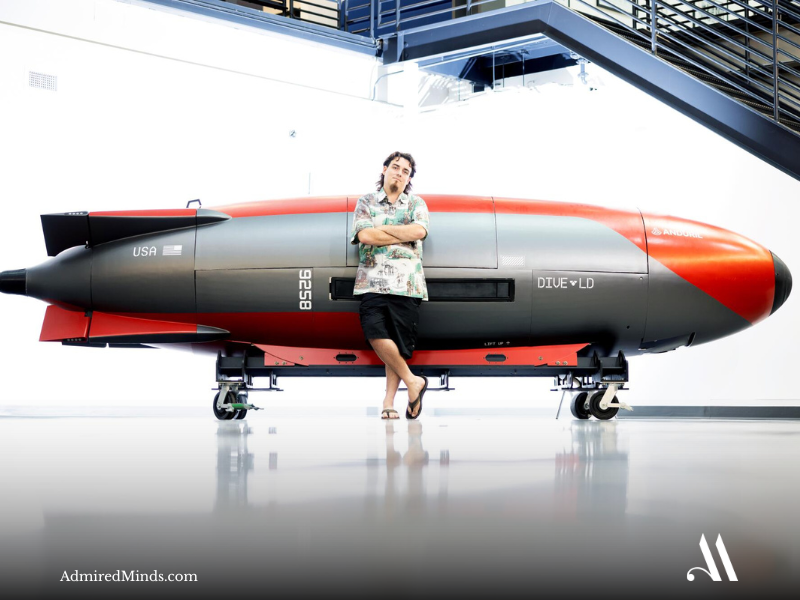
Here’s what nobody wants to talk about: Palmer Luckey builds killer robots. Not the Terminator kind ‚Äì the sophisticated, AI-powered, human-supervised kind that can take out enemy targets without risking American lives.
The tech world lost its collective mind. How dare he build weapons? How dare he work with the military? How dare he not feel guilty about it?
Palmer’s response? Pure, unfiltered honesty that makes PR teams everywhere sweat:
“I would rather my country have better technology than the other guys. I’m not going to apologize for that.”
The uncomfortable truth: While Silicon Valley virtue-signals about not building military tech, Palmer’s building the systems that might prevent World War III. His autonomous defense systems aren’t just weapons ‚Äì they’re deterrents.
The ethical framework that triggers people: Luckey argues that making war too expensive and risky for aggressors actually prevents conflict. The guy building “killer robots” might actually be saving more lives than the meditation app developers.
The $28 Billion Vindication
By 2024, Anduril was valued at $28 billion. Let that number marinate for a second.
The guy Silicon Valley canceled for supporting Trump built a defense company worth more than most unicorns. The revenue reportedly hit around $1 billion. The U.S. Navy just chose them to develop next-generation combat aircraft.
The delicious irony: The same tech industry that shunned Palmer for being “problematic” is now desperately trying to catch up in AI and defense technology. Meanwhile, he’s already cornered the market.
The power move nobody saw coming: Palmer didn’t just prove Silicon Valley wrong ‚Äì he made them irrelevant in the sector that actually matters for national security.
The Mental Game: Building Under Fire
Here’s what the glossy profiles don’t mention: Building a defense company while being the most controversial person in tech takes a special kind of psychological armor.
Palmer’s dealt with death threats. Congressional hearings. Constant media scrutiny. Tech industry blacklisting. And that’s just Tuesday.
But instead of backing down or moderating his views, he’s doubled down on everything. The political incorrectness. The military focus. The unapologetic capitalism.
The brutal reality: Every hire, every contract, every media appearance is scrutinized through a political lens. Most entrepreneurs would crack under that pressure.
Palmer’s approach: Lean into the controversy. If Silicon Valley hates you for building defense tech, build better defense tech. If the media calls you controversial, give them more to write about.
The Future That Scares Everyone
Palmer’s not building Anduril to make a quick buck and flip it. He’s building the foundation for what he calls “technological deterrence” ‚Äì making war so economically irrational that conflicts become impossible.
- The plan: Go public (he’s confirmed this is happening), scale manufacturing to industrial levels, and arm every democratic ally with autonomous defense systems that make invasion suicidal.
- The timeline: The next decade will determine whether democracies maintain technological superiority over authoritarian regimes. Palmer’s betting everything on being the guy who tips those scales.
- The uncomfortable question: What happens when the homeschooled garage kid becomes one of the most powerful people in global defense? Are we ready for that world?
The Brutal Truth About Palmer Luckey
Palmer Luckey isn’t successful because he played it safe. He’s successful because he was willing to be hated for doing what he believed was necessary.
- ‚úó Politically correct career moves (Got canceled for Trump support)
- ‚úó Silicon Valley groupthink (Went defense while others went consumer)
- ‚úó Playing nice with critics (Doubled down on controversial positions)
- ‚úì Building what America actually needs (Defense tech that works)
The final plot twist: The guy everyone thought was finished after Facebook might end up saving democracy itself. And he’s probably laughing about it all the way to his $28 billion valuation.
Strategic Takeaways: The Luckey Playbook
- Turn Cancellation Into Competitive Advantage: When industries shut you out, build competing industries. Palmer’s political exile became Anduril’s origin story.
- Obsession Beats Strategy: Deep, authentic passion for your domain creates opportunities others can’t see or won’t pursue.
- Embrace Controversial Positioning: If your work triggers people, you might be solving problems others are too scared to touch.
- Double Down Under Fire: When everyone questions your choices, the worst thing you can do is moderate your position halfway through the execution.





Leave a comment