




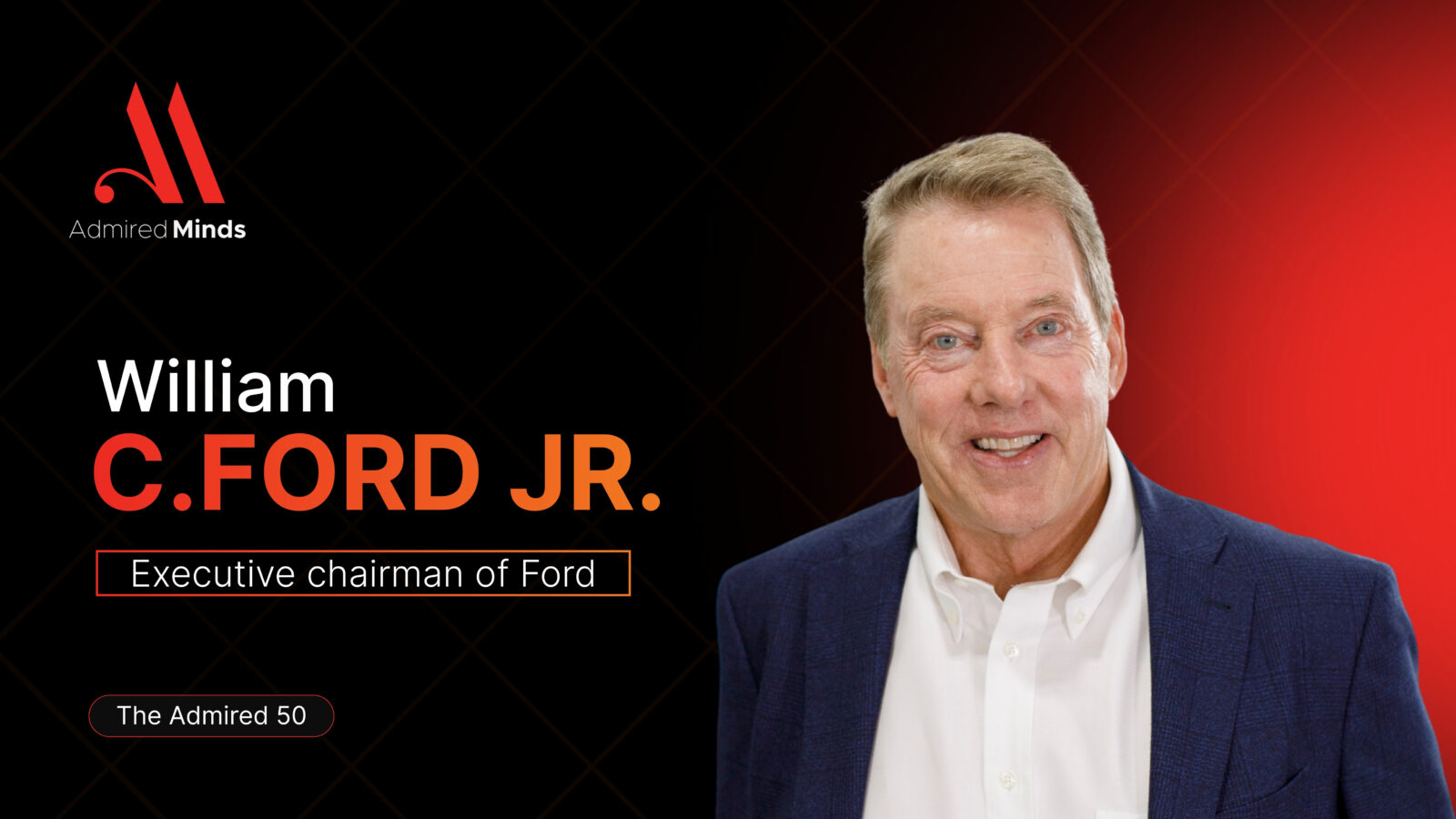
The CEO Who Made Environmental Sustainability a Century-Old Company’s Strategic Advantage
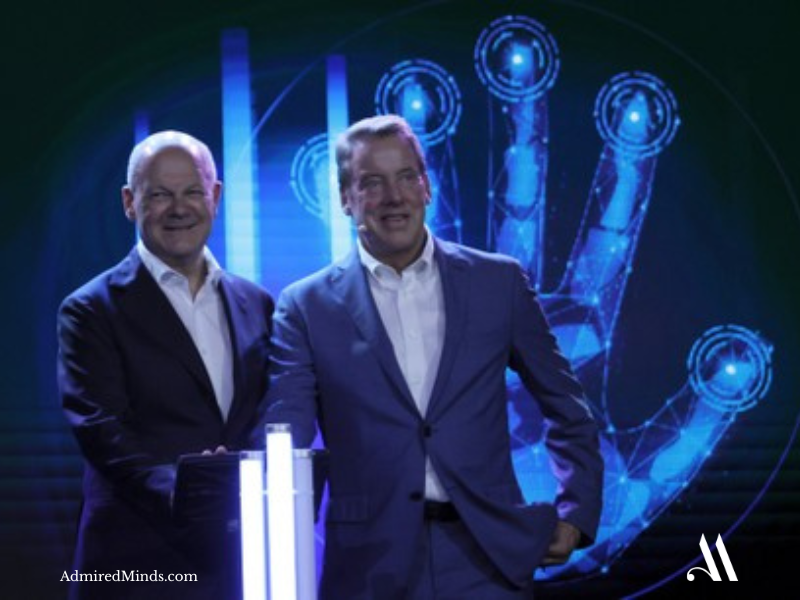
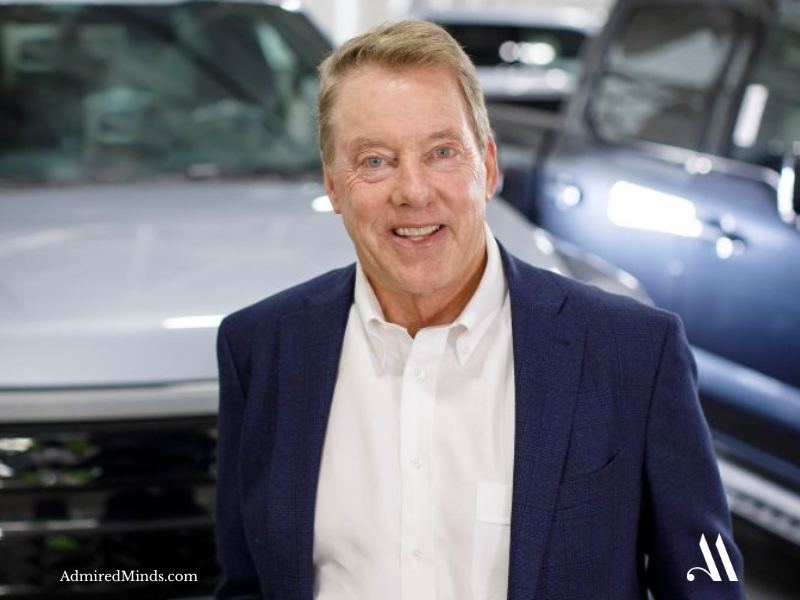
When William Clay Ford Jr. became CEO of Ford Motor Company in 2001, environmental activism and automotive profits were considered mutually exclusive. Two decades later, Ford has emerged as the only American automaker to survive the financial crisis without government bailout while positioning electric vehicles as the company’s future foundation, proving that sustainability creates competitive advantages rather than cost burdens.
At 68, Ford has spent over three decades transforming his great-grandfather’s company from environmental liability into industry sustainability leader. His $50+ billion electrification strategy demonstrates that legacy manufacturers can outmaneuver Tesla-inspired competitors by leveraging century-old manufacturing expertise with cutting-edge environmental innovation.
Strategic Signature: The Rouge Factory Revolution That Redefined Manufacturing
Ford’s defining strategic breakthrough came with his decision to completely reimagine the historic Rouge Factory complex. Rather than abandoning the aging facility, he partnered with visionary environmentalist architect William McDonough to transform the once-decaying River Rouge manufacturing facility into a sustainable operation featuring the world’s largest green roof.
The Rouge Center opened as a clean, modern factory, surrounded by a huge garden and wetlands, heated by solar panels representing the most ambitious industrial sustainability project in American manufacturing history.
The Environmental Business Case Philosophy
Ford treats environmental stewardship as competitive strategy rather than corporate social responsibility afterthought. “There is a rising tide of environmental awareness” informed his business philosophy decades before competitors recognized sustainability as a market opportunity.
Environmental innovation is not a cost‚ it’s a strategic advantage that drives operational excellence and long-term resilience.
This strategic framework operates through integrated business approaches:
- Environmental innovation drives operational excellence: Phytoremediation removed soil contaminants near Rouge ovens, improving manufacturing efficiency.
- Long-term thinking over quarterly performance: Patient capital and strategic discipline created sustainable advantages competitors cannot quickly replicate.
- Stakeholder value creation through environmental leadership: Profit, people, and planet thrive together through authentic sustainability integration.
Leadership Philosophy: Stewardship as Strategic Imperative
Ford’s worldview anticipates vehicles communicating with each other and the world, easing traffic, improving safety, and sustaining the environment. His leadership emphasizes generational stewardship beyond short-term metrics.
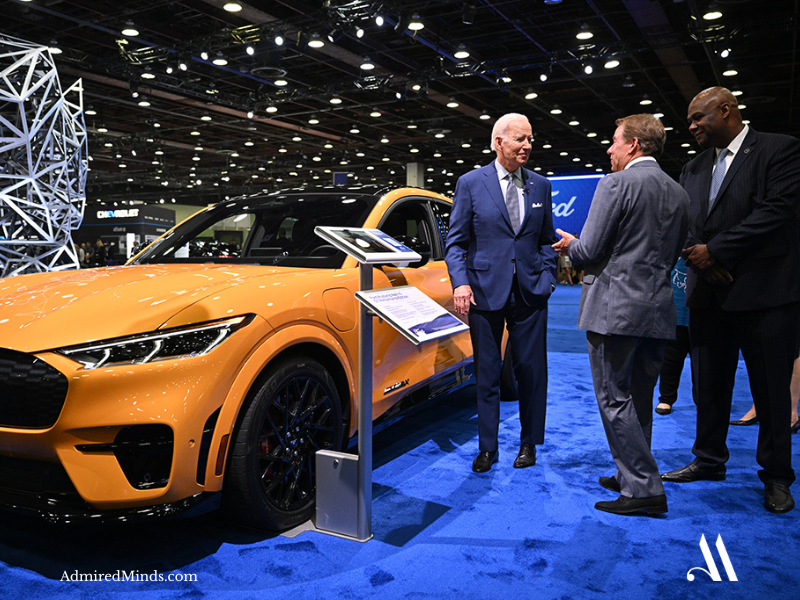
His strategic approach challenges automotive orthodoxy:
- Legacy preservation through transformation: Environmental innovation strengthens competitive positioning while honoring Ford’s heritage.
- Technology integration as an environmental enabler: Ford Smart Mobility optimizes resource efficiency while improving customer experience.
- Authentic leadership over performative environmentalism: Personal commitment to EVs builds credibility and employee engagement.
Business Impact: Leading America’s Electric Vehicle Transformation
Ford invests ~$5 billion and secures nearly 4,000 jobs across Louisville Assembly Plant and BlueOval Battery Park to deliver new pickups and produce advanced LFP batteries. Strategic investments create capacity for 250,000 EVs annually, aiming for 2 million by 2026.
True sustainability strengthens financial resilience‚ Ford led through the 2008 crisis without a government bailout.
Strategic Innovation: The Electrification Portfolio Strategy
Ford’s comprehensive electrification spans all vehicle segments rather than niche markets, reducing environmental impact, promoting sustainable manufacturing, and accelerating EV adoption.
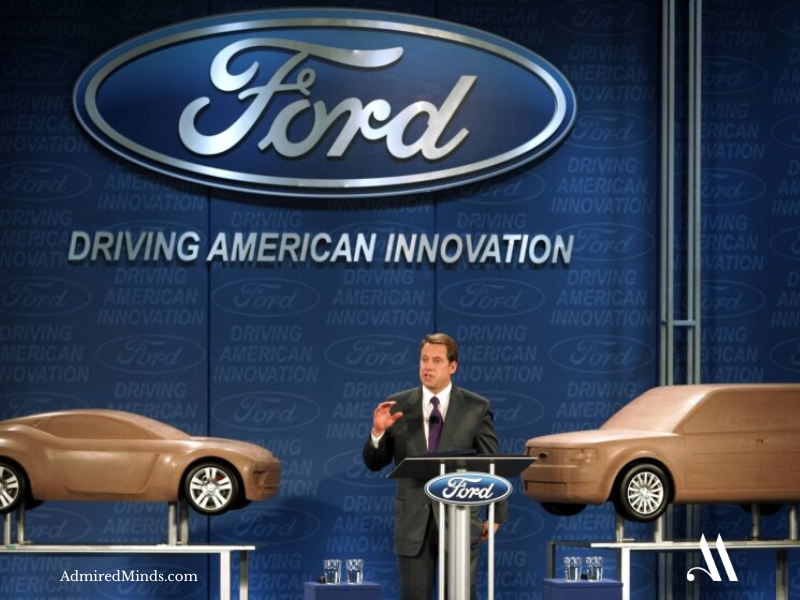
Competitive advantages include:
- Portfolio diversification reduces market risk: Electric versions of F-150 trucks, Mustang, and commercial vehicles serve multiple segments.
- Manufacturing scale enables cost leadership: Existing facilities and supply chains lower costs compared to startups.
- Customer trust through brand heritage: Ford’s 120-year reputation builds confidence faster than new EV brands.
Crisis Leadership: Navigating Industry Transformation
Ford responded to Tesla and automotive disruption by accelerating EV investment while maintaining profitability and market share. From a $5.5B loss to sustainable profits, Ford demonstrated crisis leadership that strengthens organizational capability.
Global Vision: Sustainable Transportation Infrastructure
Ford’s vision extends beyond vehicles to a sustainable ecosystem, recognizing the need for coordinated infrastructure and policy frameworks.
- Manufacturing localization strategies: EV production in multiple countries mitigates risks and creates political support.
- Technology partnership frameworks: Collaborations with battery, software, and charging providers build ecosystem advantages.
- Policy advocacy and regulatory engagement: Supports regulations and incentives accelerating sustainable transportation adoption.
Why Ford Redefined Strategic Leadership
Ford proved that legacy manufacturers can lead environmental transformation while maintaining competitive advantages. Authentic environmental leadership requires personal commitment and organizational transformation rather than marketing campaigns.
The Ford Strategic Legacy
Ford’s evolution from environmental liability to sustainability leader offers lessons for executives managing legacy businesses amid technological disruption. His framework demonstrates that environmental stewardship integrated into core strategy creates sustainable competitive advantages.












Leave a comment