




The 100 Hour Work Week That Sparked a Digital Revolution

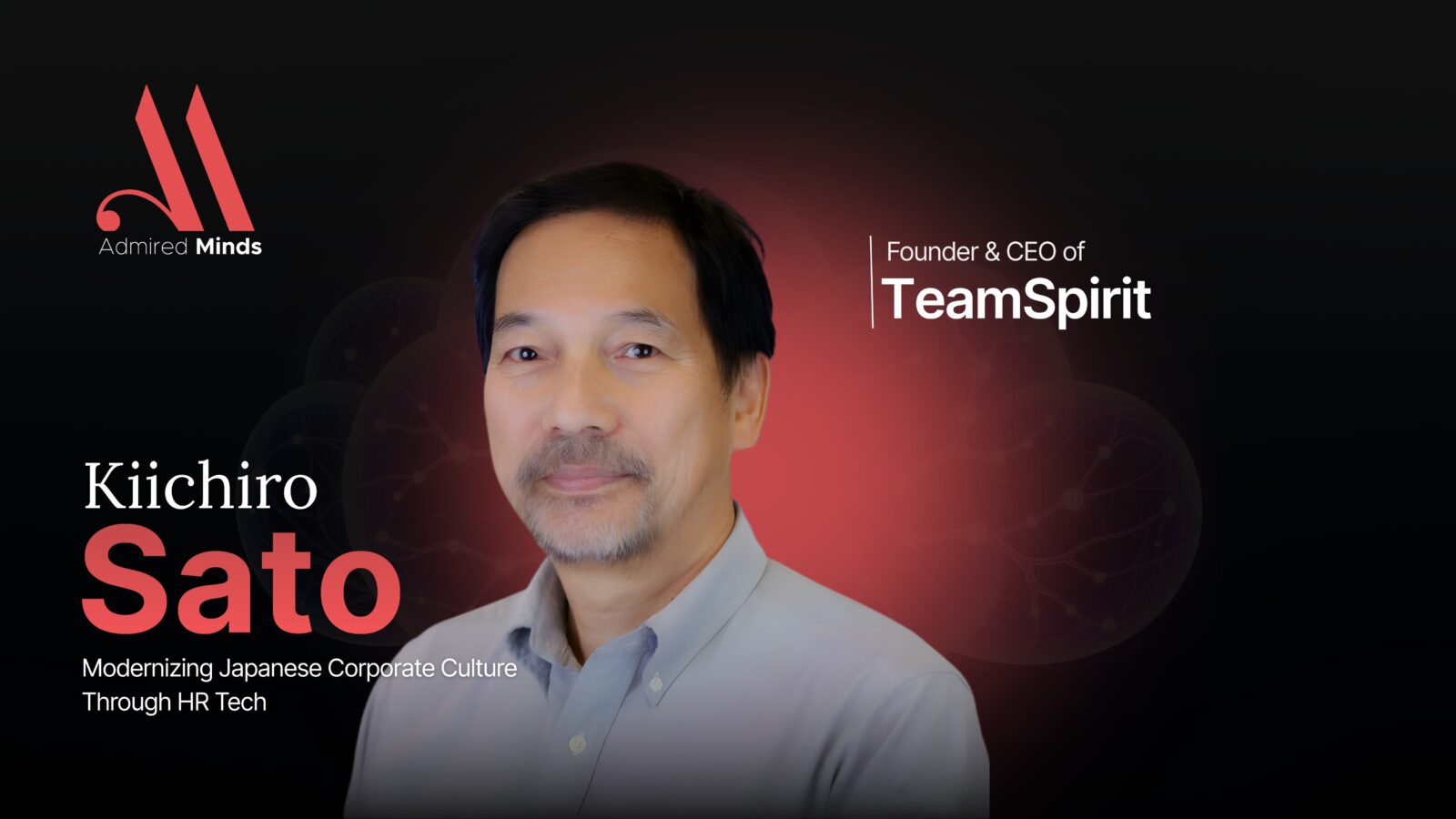
When Kiichiro Sato launched TeamSpirit in 2007 to address his own company’s chronic overtime problems, Japanese business leaders dismissed work-life balance as a Western concept incompatible with traditional dedication to corporate excellence. The nation’s largest corporations had operated successfully for decades with cultures emphasizing long hours, hierarchical decision making, and lifetime employment that prioritized company loyalty over individual wellbeing. Yet within 15 years, TeamSpirit had reached over 1,500 enterprise clients across Japan, fundamentally transforming how major corporations approach employee wellness, productivity measurement, and digital workplace management.
“We’re not trying to eliminate Japanese work culture, we’re trying to evolve it for sustainable success in the modern economy,” Sato explained during TeamSpirit’s IPO roadshow in 2019. His ability to bridge traditional Japanese business values with contemporary workforce management needs demonstrates the framework required for driving organizational change in culturally conservative corporate environments.
At 52, Sato serves as founder and CEO of TeamSpirit Inc., where he has built Japan’s leading cloud-based HR management platform while navigating the complex intersection of government labor reforms, generational workforce changes, and technological modernization.
From Systems Integration to Cultural Integration
Sato’s journey began with personal exposure to Japan’s unsustainable work culture. After routinely working 100-hour weeks at a major systems integration firm, he recognized that traditional Japanese dedication to endurance was becoming counterproductive in knowledge-driven industries.
His early approach avoided clashing with long-held values. Instead of opposing Japanese traditions of collective responsibility, he developed systems showing that balanced work rhythms improved creativity, productivity, and long-term organizational strength.
The insight that sparked TeamSpirit emerged when he analyzed productivity patterns: despite longer hours, quality and innovation declined sharply during extended work cycles — revealing hidden costs companies had ignored for generations.
Building Software That Speaks Japanese Business Language
Sato’s HR technology strategy focused on building tools that respected — not replaced — Japanese corporate culture. Creating usable enterprise software in Japan requires sensitivity to hierarchical structures, communication etiquette, and legacy operational systems.
- Researching traditional management practices
- Building interfaces aligned with Japanese business communication
- Designing reports that balance individual and team performance
- Ensuring seamless integration with local enterprise systems
This approach enabled TeamSpirit to scale faster than Western platforms trying to force-fit foreign business logic into Japanese organizations.
When the Government Mandated Change: Turning Regulation Into Opportunity
Japan‚Äôs 2019 work-style reforms ‚Äî enforcing overtime limits and mandatory holidays ‚Äî validated Sato’s mission. What many companies feared as regulatory burden, Sato saw as a bridge toward modernization.
TeamSpirit supported companies through education, training, and behavior-change programs — not just compliance tracking. The result: higher productivity, better morale, and reduced turnover.
Beyond Compliance: Building the Future of Japanese Corporate Excellence
Sato envisions a future where Japanese companies blend traditional strengths — discipline, commitment, collective excellence — with globalized work practices such as flexibility, creativity, and performance-based progress.
- AI-driven workforce analytics
- Remote team optimization
- HR-business performance integrated reporting
He emphasizes patience, respect, and deep understanding of cultural roots when driving digital transformation.
Strategic Takeaways
Cultural Change Through Technology
- Study existing cultural logic before proposing alternatives
- Leverage strengths and address limitations respectfully
- Align technology adoption with organizational identity
- Teach new behaviors, not just new tools
Enterprise Software Localization Framework
- Design interfaces that match local communication norms
- Support legacy ecosystem integrations
- Balance individual and collective reporting
- Address cultural resistance through training
Regulatory Compliance as Competitive Advantage
- Turn compliance into operational excellence
- Support sustainable behavior changes
- Use regulation to modernize mindsets
- Engage with policymakers & industry leaders
Sustainable Organizational Modernization
- Respect tradition while enabling evolution
- Measure success through cultural outcomes
- Build adaptable, future-ready platforms
- Educate leaders on modernization benefits











Leave a comment