




Satya Nadella: Transforming Microsoft from Windows-Centric to Cloud-First Leadership
Executive Summary
On February 4, 2014, Microsoft CEO Satya Nadella initiated a fundamental strategic transformation, abandoning the company’s Windows-centric business model in favor of a cloud-first, mobile-first computing paradigm. This case study examines how legacy technology companies can execute radical platform shifts, cannibalizing established revenue streams while creating exponentially larger market opportunities through subscription-based cloud services.
Market Context and Financial Impact Assessment
Pre-Transformation Market Position
- Microsoft market capitalization: $300 billion at Nadella’s appointment
- Windows OS controlling 90%+ of global PC market share
- Office productivity suite generating $24+ billion annual revenue
- Azure cloud platform trailing Amazon Web Services by 5+ years
Strategic Transformation Metrics and Investment Scope
- Revenue Model Shift: Transition from perpetual licensing to subscription-based services
- Platform Migration: Windows-centric to cloud-platform agnostic strategy
- Investment Commitment: $15+ billion annual cloud infrastructure and R&D spending
- Market Repositioning: From enterprise software vendor to cloud infrastructure leader
- Competitive Target: Challenge Amazon AWS dominance in enterprise cloud services
Strategic Decision Framework Analysis
Nadella’s team identified three fundamental technology market shifts:
- Computing Platform Evolution: Mobile and cloud computing displacing traditional PC-centric workflows
- Enterprise Consumption Models: Subscription services preferred over perpetual software licensing
- Competitive Landscape Disruption: Amazon and Google gaining enterprise market share through cloud infrastructure
Strategic Options Evaluation
| Option | Approach | Revenue Risk | Competitive Position |
|---|---|---|---|
| Windows Defense | PC-centric focus, incremental cloud investment | Lowest immediate risk | Gradual market marginalization |
| Dual Platform | Balanced Windows/cloud investment strategy | Moderate transition risk | Resource dilution, competitive disadvantage |
| Cloud-First Transformation | Complete strategic pivot, Windows de-emphasis | Maximum revenue cannibalization | Market leadership potential |
| Acquisition Strategy | Purchase cloud leaders, maintain Windows focus | High capital requirements | Integration complexity, cultural challenges |
Five-Pillar Cloud Transformation Framework
- Azure Infrastructure Development: $1+ billion annual data center expansion globally, enterprise-grade cloud services competing directly with AWS, 54+ Azure regions worldwide.
- Office 365 Subscription Model: Mobile-first, cloud-first Office suite on iOS/Android, recurring subscription revenue replacing perpetual licensing.
- Developer Ecosystem & Open Source: GitHub acquisition for $7.5 billion, .NET and PowerShell available on Linux/macOS, cultural shift to open-source leadership.
- Enterprise Customer Services: Dedicated consulting, partnerships with system integrators, customer success teams for Azure adoption.
- AI and Machine Learning Leadership: $13+ billion OpenAI partnership, intelligent services embedded across Office, Azure, and Windows platforms.
“Our industry does not respect tradition ‚ it only respects innovation.” – Satya Nadella
Performance Metrics and Outcomes
- Legacy Business Cannibalization: Proactively obsolete profitable traditional models to prevent competitor disruption.
- Platform Agnostic Positioning: Expand across competitor platforms while retaining customer loyalty.
- Subscription Economy Leadership: Predictable recurring revenue and deeper customer relationships.
- Cultural Transformation: Shift organizational mindset from competitive to collaborative.
- Technology Platform Investment: Build infrastructure moats to prevent replication and ensure long-term market creation.
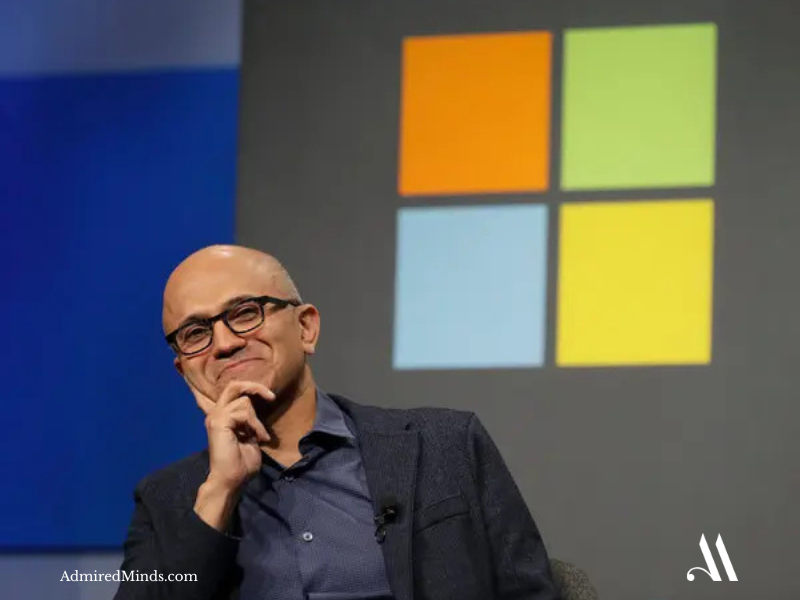
- Short-Term Impact (2014-2017): Market cap growth from $300B ‚Üí $500B, Azure #2 cloud provider, Office 365 subscription revenue surpasses legacy licensing.
- Long-Term Victory (2018-2024): $3 trillion market cap peak, 23% global cloud share, revenue growth from $86B ‚Üí $211B, competitive positioning against AWS & Google.
- ROI: $50+ billion cumulative investment, $2.7 trillion market value creation, 5,400%+ strategic ROI.
“Empowering people through technology and culture is as important as the technology itself.” – Satya Nadella









Leave a comment