



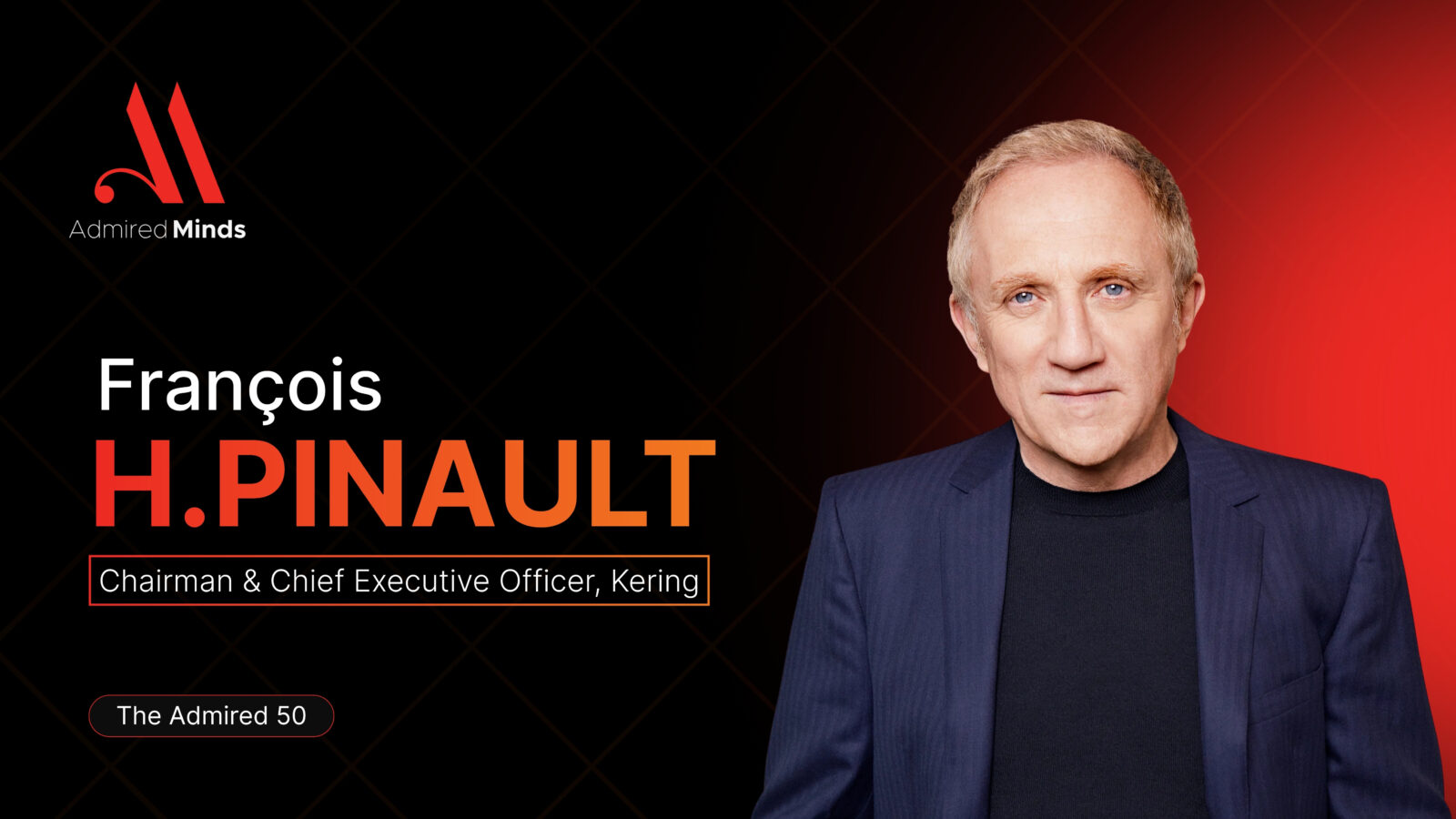
François-Henri Pinault: Rebuilding Global Luxury Through Strategic Sustainability
François-Henri Pinault inherited a traditional timber and retail conglomerate in 2005—at a time when environmental responsibility was viewed as a commercial risk in the luxury industry. Two decades later, he has transformed Kering into a €20+ billion luxury empire while establishing sustainability as a source of competitive advantage.
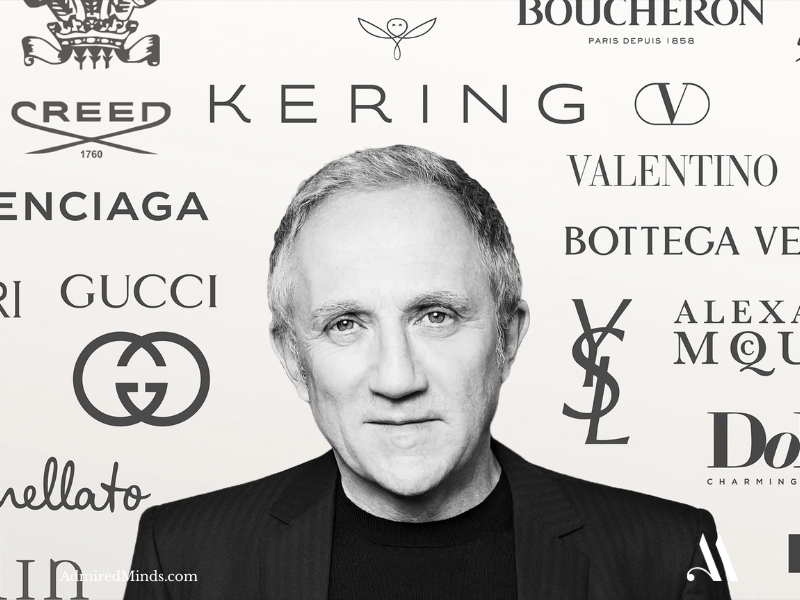
Today, Pinault oversees one of fashion’s most esteemed portfolios: Gucci, Saint Laurent, Balenciaga, Bottega Veneta, and Alexander McQueen. His vision proved that luxury consumers will pay premium prices for brands aligned with their environmental and social values.
The Environmental Profit & Loss Revolution
Pinault’s most defining achievement was the creation of the Environmental Profit & Loss (EP&L) Methodology in 2011—an unprecedented framework that quantified environmental impact across Kering’s full supply chain.
The EP&L internalizes environmental externalities and calculates the cost of business to nature across raw materials, manufacturing, logistics, and retail.
This radical transparency enabled Kering to identify hidden risks, cost-saving opportunities, and innovation needs that competitors could not perceive. The EP&L later earned the prestigious CDP Triple A rating for environmental transparency.
The Luxury Transformation Strategy
One of Pinault’s boldest strategic decisions was to divest all non-luxury assets and fully commit the group to high fashion. By 1999, PPR (now Kering) had decisively shifted into luxury—completing the transformation his father initiated.
Between 2005 and 2024:
- Saint Laurent revenue increased 18√ó
- Bottega Veneta revenue increased 11√ó
- Design leadership drove unprecedented brand reinvention
Pinault rejected the traditional “independent house” model. Instead, he created cross-brand sustainability systems, unified supply chains, shared R&D, and a culture of innovation.
Leadership Philosophy: The Alliance of Profits and Purpose
Pinault’s vision of modern luxury insists that sustainability and profitability are not opposites but mutually reinforcing forces.
Core Principles of His Leadership Framework
- Transparency creates competitive advantage. Public sustainability goals, published since 2012, increased trust and enforced internal accountability.
- Innovation through constraint. Environmental limitations drive breakthroughs in materials, circular design, and logistics.
- Long-term value outweighs short-term profit. Upfront sustainability investments create durable competitive moats.
Redefining Luxury Consumer Expectations
Pinault re-engineered the definition of luxury. Consumers now evaluate brands not only on craftsmanship and aesthetic identity but also on environmental and social responsibility.
Gucci became an industry benchmark by reducing its environmental footprint by 40% relative to sales (based on 2015 levels)—proving that sustainability enhances brand desirability.
Competitors soon followed, investing billions to keep pace with Kering’s standards.
Strategic Innovation: The Digital Sustainability Platform
Kering launched a digital EP&L platform that democratizes environmental impact measurement—making advanced analytics accessible to suppliers, brands, and stakeholders.
Its Strategic Advantages Include:
- Industry Leadership. Sharing EP&L methodology positions Kering as the intellectual leader of sustainable luxury.
- Supply-Chain Influence. Suppliers must adopt Kering’s standards, raising the bar for all luxury brands.
- Regulatory Readiness. As environmental disclosure becomes mandatory, Kering’s systems serve as a competitive shield.
Crisis Leadership: Owning the Sustainability Reckoning
As global scrutiny of fashion’s environmental footprint intensified, Pinault positioned luxury—not fast fashion—as a responsible alternative.
Kering’s initiatives include:
- Eco-friendly material development
- Carbon-offset programs
- Supply-chain emission reduction
Pinault’s strategy prioritizes proactive investment over defensive response. This first-mover advantage strengthened Kering’s authority in the sustainability narrative.
Global Vision: Educating the Next Generation
Pinault expanded Kering’s influence beyond markets into education and industry reform. The company launched the first online course dedicated to Luxury Fashion and Sustainability.
Three Pillars of His Global Approach
- Talent Development: Training professionals in sustainable luxury.
- Supply-Chain Transformation: Elevating environmental standards worldwide.
- Market Education: Teaching consumers to value sustainable practices.
Why Pinault Redefined Strategic Leadership
Pinault demonstrated that sustainability is a profit lever, not a cost. His strategies generated:
- Premium pricing power
- Customer loyalty
- Operational efficiency
- Brand differentiation
By introducing EP&L and embedding sustainability into luxury identity, he created a new competitive standard that every major luxury house now follows.
The Pinault Strategic Legacy
Pinault’s transformation of Kering reveals a powerful lesson: sustainability is not peripheral—it is core strategic infrastructure.
His leadership reframed capitalism’s role in environmental responsibility. By proving that consumers reward accountability, Pinault created a market mechanism for long-term positive impact.
In a world where environmental pressures increasingly shape consumer behavior, his model demonstrates that true strategic leadership requires integrating sustainability into every dimension of the business.
“Sustainability is not the cost of doing business. It is the strategy that secures the future of business.”








Leave a comment